Wants Of The Third Kind

Quick Read: At a simplistic level, needs tend to get recast as wants when marketing kicks in.But do all kinds of wants come with the same ‘baggage’? Are some kinds of wants more interesting than the others for a marketer?

Make things people want OR Make people want things? 

If there is one slide deck that is worth your 10 mins time today, it would be this, by John V Willshire – Founder at Smithery

An instructive concept that he shares in this presentation (and also his blog) is about three different kinds of wants that are generally prevalent from a marketer’s perspective:

  • Existing wants: are what we are typically surrounded by every day, on our supermarket shelves and smartphones. It’s simple for marketers to spot these wants, and so competition is fierce and sometimes desperate (more on that later).
  • Latent wants are obvious gaps in the market; things there are no present solutions for, but are easy for people to describe. If someone starts a product desription with “I wish such and such a product would do this”, then you know it is a latent want. For e.g., Nest as an idea was born out of a latent want for Tony Fadell.
  • Incipient wants are the things that customers have no idea could exist, but once made available can’t imagine how they have lived without it.

Any major habit forming technologically advanced product can arguably fall under this third kind. E.g., Walkman, iPod, iPhone etc. But, are incipient wants only about new, ‘fancy but necessary’ products?

Think about it for a moment. 

Now that’s why, incipient wants tend to be the most interesting territory for a markter today.

Marmite is a fascinating brand. You either love it or hate it, there is no midele ground. But, in the recent years the iconic UK brand had a challenge. A healthy user base but declining usage levels. Now, when you consider that this brand had typically high levels of affinity, the obvious question stares in the eye – why are then consumers using it less? 

Apparently, the insight to explain this dichotomy of high affinity and low usage could have been that Marmite has become an incipient want – “I have no idea that I was missing it, but once I saw it (stowed away in my cupboard) , I couldn’t imagine how I had lived without it all these days.”

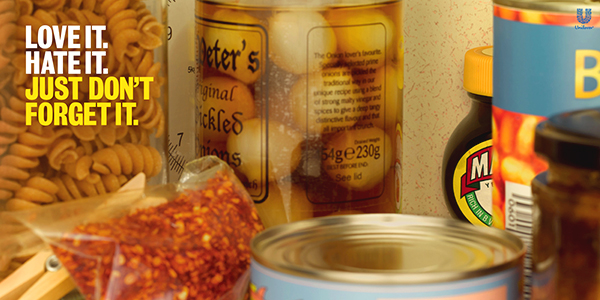
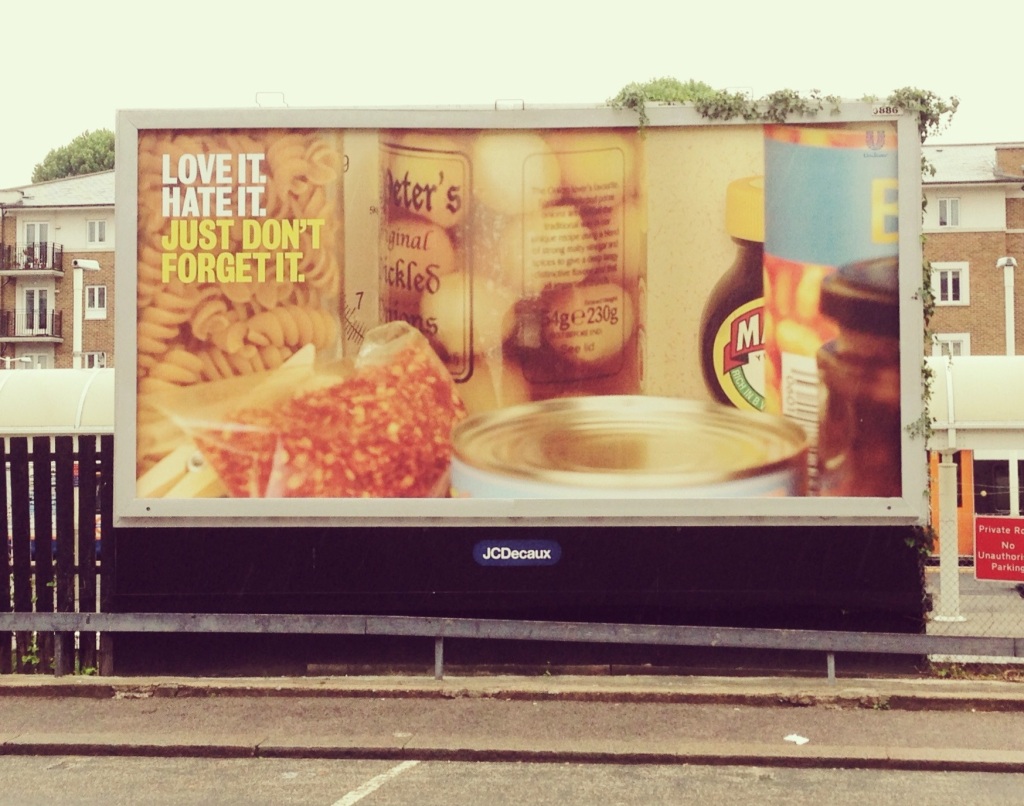
The result. A genius of a campaign that draws attention to those neglected jars that linger, unloved, in the back of the cupboard with a simple call to action – Love it. Hate it. Just don’t forget it. 

Marmite Billboard(MARMITE – Just Don’t Forget It. Billboard – Source)

Besides, as Mr. Bhat puts it here “It takes a bold, confident team to run this campaign where the brand name & packaging is not even visible fully.” And that’s what I love about these executions the most.

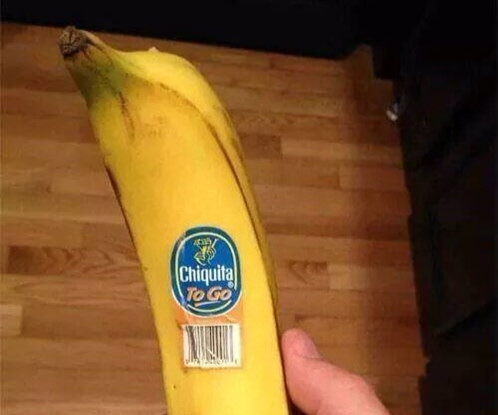
And getting back to the Existing Wants – the areana of conventional supermarket aisles – competition here can sometimes get a bit too desperate. For e.g., did you realise that there are this new revolutionary bananas that can also be consumed on the go?

Chiquita On The Go(H/T Robert Campbell. Pic Source.)

(Featured image source)

Making And Breaking Memory Structures

Quick Read: Generating awareness or influencing consideration, driving distinctiveness or establishing differentiation, the key is to effectively leverage memory structures.

Distinctiveness is said to be the key in driving penetration and hence growth. But what sort of distinctiveness is most effective? 

In other words, when a brand is launched/re-launched, how do you strike that elsuive balance –  between being rooted in the current to drive enough familiarity, yet bring in an element of newness to drive differentiation along a chosen set of dimensions to drive favorability. 

The key lies in memory structures. 

As this insightful paper says, while driving distinctiveness for a brand, a key consideration is how much of your mix should reflect the existing perceptions of your brand locked in consumers’ “memory structure”, and how much should break with this.

And why are memory structures important?

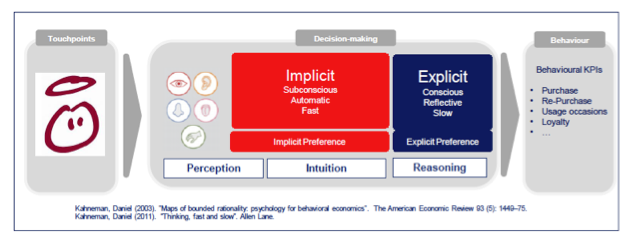
This is because, as per Phil Barden in Decoded, we are known to first process any new stimulus from a brand (advertising, packaging, activation) “implicitly”. This is a subconscious reaction based on our intuition & past experiences locked in our memory structures. And that’s where most of the heavy lifting is said to happen before the rational mind kicks in for decision making.

Blog Decision Making(Implict and Explicit processing of stimulus, Source)

So it must come as no surprise that some of the smartest techniques in creating awareness for new brands are those that do a great job at playing with our existing memory structures.

Two recent, notable (and slightly non traditional) examples.

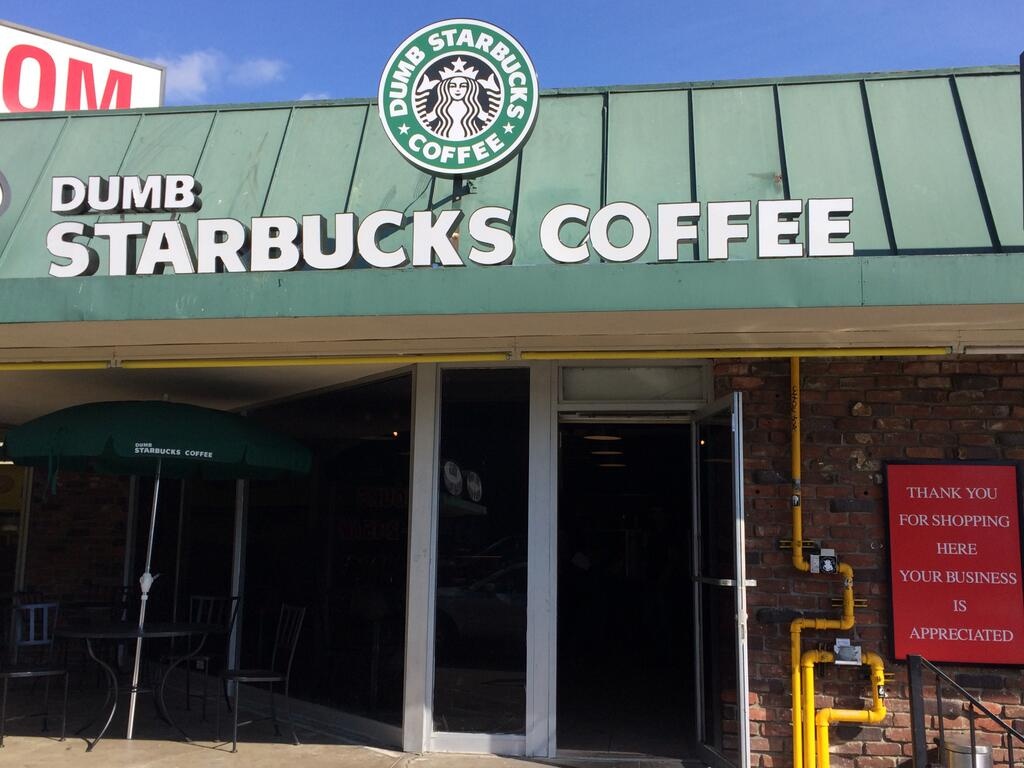
Dumb Starbucks Coffee

Dumb Starbucks Coffee(The Dumb Starbucks Coffee store in LA. Source)

No it’s not a joke. This has been an actual store with everything from the signage, menu, the cup sizes, right till the music CDs sold by the cahsier looking exactly like that in a Starbucks Store, albeit with one small modifier – the word ‘DUMB’ as a prefix.

And why DUMB? Parody law. 

As this awesome FAQ reads: “Although we are a fully functioning coffee shop, for legal reasons Dumb Starbusks needs to be categorized as a work of parody art. So, in the eyes of the law, our “coffee shop” is actually an art gallery and the “coffee” you’re buying is considered the art. But that’s for our lawyers to worry about. All you need to do is enjoy our delicious coffee!”

Rated as one of smartest Guerrilla Marketing stunt by Comedy Central to generate buzz around their new show, this attempt created a social media sensation in just 2 days before it faced a ‘notice of closure’.

Despite being a shortlived ‘experiment’/art installation (or whatever we chose to call it), by playing smartly on our existing memory structures “Dumb Starbucks” proved itself to be an ingenuous idea from a venture that wanted a big bang for a small budget.

And boy did they get it!

CitizenM Hotels

Can you create awareness by challenging our existing memory structures of a category?

A new campaign from CitizenM hotels shows how. See the ad here

I liked how it evokes all the memories that we have of conventional hotels untill it just shatters them, thereby piquing our interest levels in the brand. In fact – depending upon the viewer’s context –  I would argue that it does a briliant job at more than just generating awareness.

All managed by neatly piggy backing on our existing memory structures of a category.

(H/T to L Bhat for the CitizenM film, and to Robert for this riff on Dumb Starbucks. Featured Image: source)

Ideas And Their Six Degrees Of Separation

Quick Read: Ideas, like people, could be said to have their own “6 Degrees of Separation” i.e., any idea in the world can potentially be related to another idea in the world with a maximum of 6 connections. And if this hypothesis is right, it can have major implications on marketing. 

What are you thinking right now? This comic by Richard McGuire appeared in 1990.

Richard McGuire(What Are You Thinking Right Now, Richard McGuire. Source)

While it is a wonderful comic and a fun reflection on how we think, for me it is a brilliant work that manages to encapsulate within the confines of a comic panel – the interconnectedness of our thoughts and ideas.

Speaking of which, just as this theory that any two people in the world can be connected to each other with a maximum of 6 steps, my hypothesis is that:

Any two ideas in the world can be related to each other in less than or equal to 6 degrees of separation. 

In other words, if you think of each idea as a node, I contend that you could potentially connect any two nodes in the “idea universe” with a maximum of 6 connections.

(One way of proving this could be as a corollary of the 6 Degrees of People Separation and mixing it with the notion that ideas make a man. And voila! You can have even a far right capitalist ideology being related to a far left communist ideology within 6 degrees of separation.)

people-exchanging-ideas-26061929(Ideas and connections, stock image)

Why is this fascinating? If the hypothesis is proven right, it can potentially have two major implications on how ideas can be sold.

Implication #1: 

Let’s take Recommendation Engines, the intelligence behind “If you like this, you might also like these” kind of recommendations that you see on Amazon

A good recommendation engine – in search, videos, online shopping, travel etc.,  has far reaching implications in delivering more relevant content to users, thereby driving sales and growing retention within the platform. In fact, as per many accounts, some companies have even gone so far as to realign their business objectives in light of recommender-driven demand, such as Netflix, Amazon, Microsoft, Disney and Apple.

Now, what if we abstract this concept of “six degrees of ideas’ separation” into an iterative, machine learning algorithm that can build up, in real time, a user’s idea map – i.e., a construct that maps out the interconnectedness of user’s ideas?

We can then perhaps use it as the back bone of a more powerful recommendation engine.

So instead of dishing out nearly hard coded, precedent based recommendations – with imperfect results –  what if the smart logic embedded in the recommendation engine can rapidly learn, iterate and replicate my idea map resulting in recommendations that almost feel like – mind reading?

That’s when I might be able to see breathtakingly personalised assortment of search results, advertisements, content and retail options appear in front of me almost at the speed (and diversity) of my thought.

Implication #2: 

Given that any of my existing ideas can potentially be connected to other ideas – and thereby products – out there, having an insight about my idea map can potentially help you sell me a new product/service. How?

By carefully structuring your sales pitch in a way that takes me gently through the different related nodes from my existing ‘idea state’ to a new ‘idea state’ that could probably help me better relate to your product.

Easier said than done, I am sure. But the outcomes here could be as thrilling as they could be scary – a signpost of every major scientific advancement over the last few decades.

On a related note..

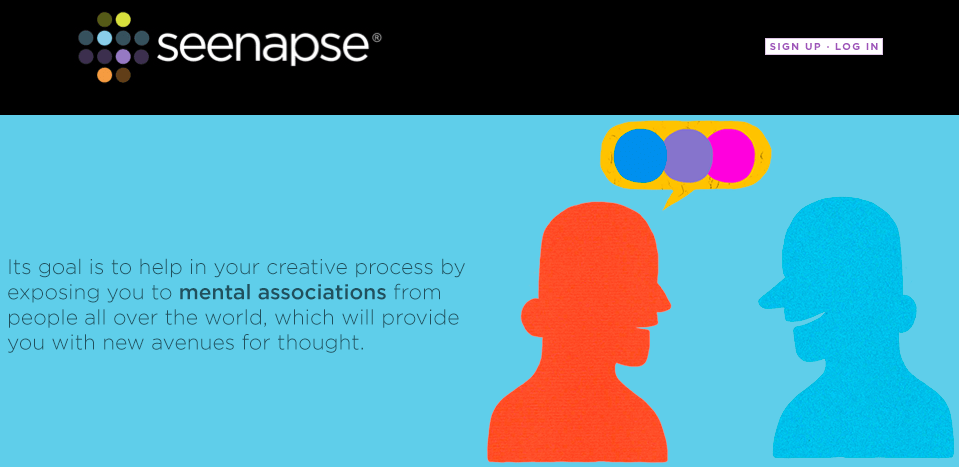
If you enjoy the creative process of discovering and connecting disparate ideas into an insightful whole, check out Seenapse.

Seenapse

A creative technology start-up, Seenapse is an ‘inspiration engine’ that assists in your creative process by exposing you to non-obvious idea associations between seemingly disparate concepts. It is currently in a closed beta but you can get an invite by using the code: strandsofgenius. (source)

(Featured image source. H/T Austin Kleon for the riff on Richard McGuire and Faris Yakob on Seenapse)

—————————-

PS: This is my 100th blog post on BrandedNoise which got its 2020th subscriber today! A big thank you to all the readers out there who have been the source of my strength, inspiration and support. Looking forward to many more blog posts to come and a journey fuelled by creativity, curiosity and fun. A big thank you once again!!

Diffusion – Of Ideas, Infections and Innovations

Quick Read: Why do certain ideas spread faster than others?  Diffusion – a social process where people talk to people is still the way that ideas and inovations spread. Stories from diverse fields like health care and ethnic foods provide further evidence.  

Did you know the story of the humble Doctor’s coat?

Till a major part of the 19th century, a doctor’s coat used to be black in color. Why? Because a visit to a doctor had an air of ‘finality’ attached to it, almost like the solemn nature of a funeral. As per this historical account, until the late 19th century, seeking medical advice was usually a last resort and frequently a precursor to death. The reason? Poor hygiene standards in medical practice.

In fact, back in those days,  a doctor’s badge of a busy practice was their black coats stiffened with blood and remains of previous operations. Practices like washing hands, sterilising instruments were virtually unheard of in medical practice during those days.

Naturally infection became the curse of surgery – becoming the single biggest killer of patients who underwent even uncomplicated procedures. Infection was so prevalent that the discharge of pus from a surgical wound was thought to be a necessary part of healing!

Ever since then, many medical practitioners tried hard to conceive of and spread the idea of basic sanitation as an effective means to combat preventable life threatening infections. But failed.

For e.g, Ignaz Semmelweis published the earliest known studies that showed basic hand-washing to be effective at reducing mortality rates of surgery patients. His findings were known to have offended the doctors! Even Louis Pasteur’s Germ Theory or Joseph Lister‘s concept of antiseptic surgery techniques contributed little to the mainstream propogation of the idea of sanitation in health care.
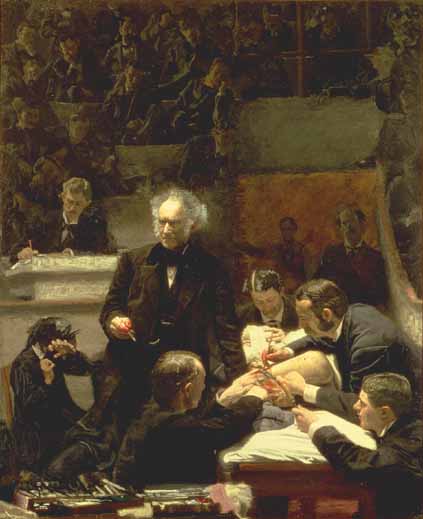
grossclinic(“The Gross Clinic,” by Thomas Eakins, 1875. Source)

The break through in seeding this key idea came over the course of several years as follows.

It turned out that the key message to teach surgeons was not how to stop germs but how to think like a laboratory scientist. A few pioneering German surgeons siezed upon this idea – of the concept of surgeon as a scientist – and seeded this in their students’ minds, many of whom were young medical practitioners from US and other countries.  The result?

The students swapped their black coats for pristine laboratory whites and returned to their home countries as ambassadors not only for the use of antiseptic practice to kill germs but also to prevent germs.  Evangelising through their own students and colleagues, they finally spread the ideas worldwide.

So, the idea of basic sanitation and sterilization for health care and germ prevention spread not because of academic journals or publications, but because of social diffusion – where people (medical practitioners) talked to people (students).

Spreading a Miraclous Solution. One Person At a Time

In many parts of the world, Diarrhea remains the world’s biggest killer of children under the age of five. ORS (Oral rehydration solution) has been known to be a simple yet effective cure for the illness which required a miraculously easy formulation that can be made at almost every home around the world  (water + sugar + salt).

In 1980, a Bangladeshi nonprofit organization called BRAC embarked on a nationwide ORS adoption drive. How did they go about this? The organization didn’t launch a mass-media campaign. It attacked the problem in a way that is typically dismissed as impractical and inefficient: by going door to door, person by person, and just talking.  

ORT(Door to door ORS Education by BRAC, 1979 . Source)

They hired, trained, and deployed thousands of workers region by region who went door to door through more than 75,000 villages and showed 12 million families how to save their children with this simple solution. Eventually, the knowledge became self-propagating and child deaths from diarrhea plummeted more than 80%  between 1980 and 2005. The program was stunningly successful. (source)

Shifting gears a bit and moving over to Ethnic Foods..

 The Greek Yogurt Revolution In The US

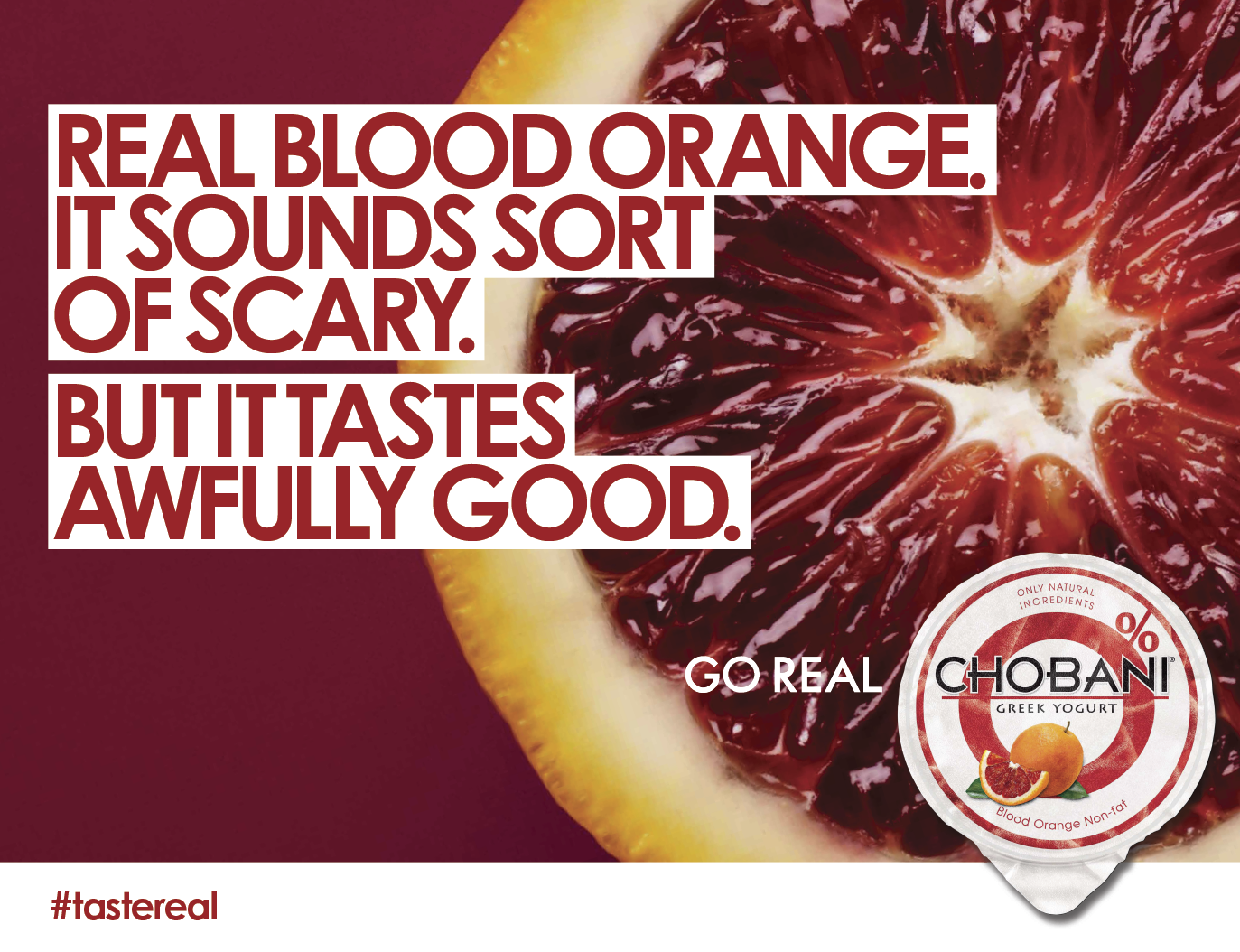
Till 2005, Greek Yogurt was a niche segment in the US with a market value of just about $60 million. But in just 5 years a new brand, Chobani has gone to become one of the most explosive food start-ups ever to hit the market netting more than $1 billion in annual sales and rejuvenated the entire Yogurt category in the US. How did that happen?

Ofcourse, Chobani, under the visionary founder Hamdi Ulukaya,  had a brilliant execution of its mix – from clutter breaking packaging, category defying in-store placement (he is known to have insisted that Chobani packs be merchandised in the main dairy area, not in the specialty section), competitive pricing and appealing flavours.
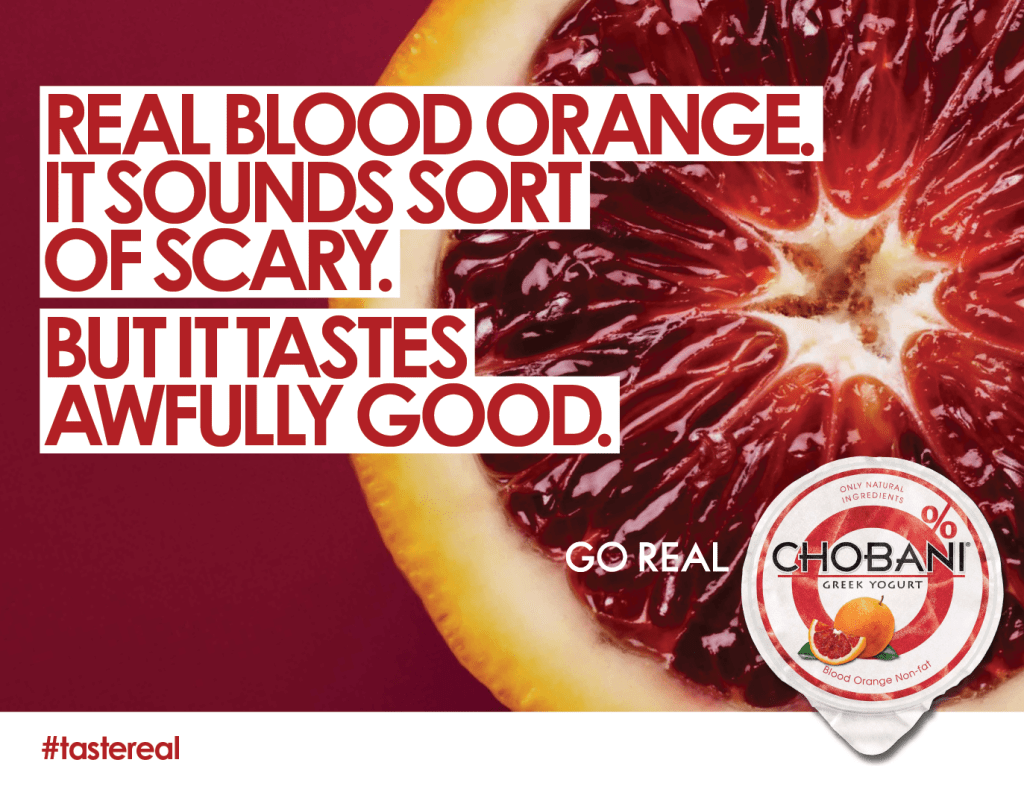
Chobani(Chobani Ad Campaign extolling its fruity goodness. Source)

But fortunately for Chobani – the timing was just right. Consumers were adopting healthier snack options into their busier lifestyles. So much so that when someone opened a pack of Greek Yogurt, it inadvertently became an instance of conspicuous consumptiona prominent scenario of social diffusion enveloped in a message of healthy tasty snack. 

So each time a pack of Greek Yogurt was opened, it created awareness and generated talkability around Greek Yogurt’s health benefits and unique taste. And this was even before its first mass media campaign. As Niel Sandfort, Director of Marketing at Chobani says..

“Before you even think about mass media or paid media, you have to have your ducks in a row on a number of fronts.”

So by the time, the company embarked on its first mass media campaign, the size of the population that was aware of or bought Chobani at least once, reached a “tipping point“, allowing the product to take hold widely. The result? An explosion in the growth of the Greek Yogurt segment. 

Today, the Greek Yogurt category – once a niche segment –  now accounts for 36 percent of the $6.5 billion in total U.S. yogurt sales (source) with Chobani being the number one seller in the category, with nearly 52% market share in the US!

Perks Of Being A Party Food

Guacamole – is an avocado based dip that originated with the Aztecs in Mexico. But in less than a generation, it went from an unknown Mexican delicacy to becoming part of everyday cuisine as a dip, condiment and salad ingredient. This growth of gacamole  was partly because it’s a party food. i.e., people discovered it when others shared it. 

So in essence, while we yearn for frictionless, technological solutions, people talking to people is still the way that ideas and innovations spread. In fact,Diffusion of innovations – a theory by Everett Rogers that seeks to explain how, why, and at what rate new ideas and technology spread throughcultures – says diffusion as a social process of people talking to people is central in spreading an idea or innovation among the members of a social system.

Meanwhile Sabra – a PepsiCo owned company that sells Middle Eastern food products in the US  – is fretting that 80 million Americans have never heard of hummus

(H/T: to Seth Godin for this riff on Guacamole, to Atul Gawande for this valuable article on idea diffusion in medical practices. Featured Image source 

Selfies And The Art Of Sky Diving

Quick Read: Selfies as a mode of expression via pictures, videos or 3D shapes is gaining main stream traction. GoPro is a fascinating company that took an unmet ‘selfie need’ and expanded it to encompass newer grounds with great success, while gaining a cult like status.   

It is believed that Robert Cornelius took the first ever selfie in the year 1839. 

Ever since then, over the span of  175 years, the humble selfie has evidently made spectacular inroads into our popular culture. Today we see world leaders, hollywood celebrities, protesters in police vans and even the Pope having all smiles for the selfie. No wonder then, today we have:

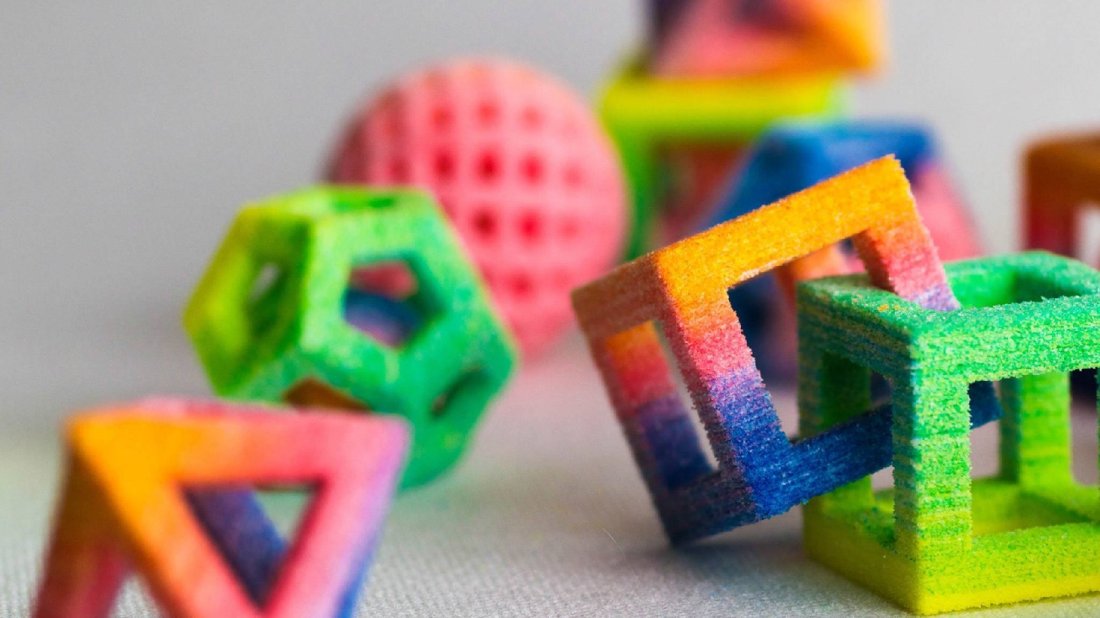
In fact – given our recent advancements in 3D printing – it is inevitable that we even have the 3D printed selfie today!

twinkind_window_5126(3D Selfies. Source, TWINKIND)

According to this paper, while selfies have been called different names like  a symptom of social media-driven narcissisma way to control others’ images of usa new way not only of representing ourselves to others, but of communicating with one another through images, or even as the masturbation of self-image, the one that stands out the most for me is the concept of selfie as a device to control others’ images of us. 

This primal urge to control others’ image of us seemed to have proven to be a gold mine for a company that is now on its way to a hotly anticipated IPO. Think Video Selfies. And think about all the exciting activities like surfing, skiing, snowboarding, auto racing, river rafting, sky diving etc. And you get the picture.

Hang on. Did we just say ‘Video Selfie’?

GoPro

2002. On a surfing trip to Australia, Nick Woodman wanted to take a selfie. Albeit with a twist. He wanted to capture quality action photos of his surfing. Having met with limited success, his desire for a camera that could capture him surfing in ‘professional angles’ started to take shape. And thus the name ‘GoPro’ was born for his company that would subsequently go on to sell small, waterproof, wearable cameras that you can use while doing exciting stuff.

GoPro-surfing-longboard-600x400(How to take kickass selfies with GoPro. Source)

Today GoPro makes what it calls ‘smaller, lighter, mightier still’ HD video cameras with a 170-degree angle view under their line up of HERO series to capture and produce high quality content along with an entire ecosystem of mounts, accessories, software and applications.

But what makes GoPro an extremely fascinating brand is the street cred that it earned for itself as an unconventional media company. Sample these..

The GoPro Ad: Instead of advertising, the company aggressively hands out GoPro cameras to extreme athletes asking them to simply shoot and bring back their footage. A small in house team then edits the footage, slaps a hip sound track, throws in the GoPro logo and boom – A stunning free GoPro Ad! (Interestingly – given the versatility of the GoPro camera – a lot of footage that they get from users is so astounding that people are known to insist it had to be fake.)

GoPro on YouTube: GoPro’s YouTube channel ranks among the top 100 with nearly 2 million subscribers and 455 million views of its 1600+ videos posted till date. In fact as per this article, the number of videos with “GoPro” in the title has grown so much—60 percent from 2012 to 2013—that watching 2013’s crop alone would take you 2.8 years. Reportedly GoPro is expected to make about $1.7 million per year from its YouTube channel alone.

The GoPro Channel: In CES 2014, GoPro announced plans to unleash its unique brand of action sport videos on Xbox Live for both the Xbox One and 360. In fact, Virgin America inflight entertainment system already lists this channel that features curated GoPro content where users will also be able to purchase GoPro products directly online.

Expanding cultural footprint of GoPro’s media content: GoPro has strategically carved an outsized cultural footprint for itself by being part of several high points in recent history. Take the recent opening ceremony of the Sochi Olympics, where many athletes were seen filming themselves with GoPros or Felix Baumgartner‘s record-breaking jump from 128,100 feet for the Red Bull Stratos mission. Chances are that you must have seen the footage filmed by one or more of the seven HD GoPro cameras used in the mission.

(GoPro Super Bowl Ad 2014 featuring the Red Bull Stratos mission)

GoPro, Apple and Red Bull: While some observers see GoPro as a company that clearly wants to create a kind of ecosystem, similar to that of Apple, with a devoted fan base addicted to its hardware and software and a thriving core of creators and consumers, there are also those that think, GoPro could make for a new sort of hybrid company, the way Red Bull is both a drink maker and powerful media brand.

Jason Stein, founder of Laundry Service, a digital media agency in New York even says:

“Red Bull has become this media entity, created around the lifestyle of people who drink Red Bull, GoPro is doing the same, but the reason I think they have more potential is that their product is an actual media device.”

Hence analysts expect that GoPro could create revolutionary possibilities in content creation and consumption in the days to come. This article even speaks about a future possibility where the company could sign agreements with sports leagues to place GoPros within the games. So when you tune into your NBA or NFL or IPL, imagine getting a live feed from whichever player you want!

Beyond Hardware

Evidently the GoPro story is no longer about a hardware maker that had captured two-thirds of U.S. sales and 45 percent of the global pie of the pocket digital camcorder segment (source).

It’s about software and experiences. It’s about enabling awesome creative expression and adrenaline packed content production – the non traditional way. It’s about brilliant marketing that is inspired by this unique culture. All borne out of one key human need – to be able to influence other’s image of us by showcasing those fleeting experiences and moments that (we think) could define us.

Like perhaps a selfie.

3D Printing, Value Chain and Lawyers

Quick Read: 3D Printing as a technology can can have revolutionary implications on all the 3 key stages of a value chain –  Manufacturing, Distribution and Retail. And not to forget lawyers!

Let’s Start With Manufacturing

Today Lego finds itself going to war with the 3D Printing technology. Why?

Because, what has happened over the last decade to music, newsprint, film and photography now seems to be threatining the world of shapes and objects. As this Washinton Post says..

Soon hobbyists…. will be able to craft their own (lego) bricks, thanks to 3D printers that make fabricating those plastic parts as convenient as going to Toys R Us. With such technology, entire structures can now be reverse-engineered, reduced into a pile of components and snapped together in minutes. 

Lego’s sophisticated molding process that currently enables it to produce 55 billion Lego pieces a year is probably not under an immediate threat from the 3D printers. But once the technical challenges like being able to meet the established tolerance levels for finish, texture and fit of various materials and being able to operate at scale are solved, which –  many experts believe is just a matter of time – Lego might be at a major  risk.

lego_ironman(Lego Ironman, Source)

So the recent remarks from Lego’s CFO John Goodwin who said “3-D printing is a fascinating development and certainly opens up a lot of new avenues” gain significance as a first ever major acknowledgment by Lego about the impending storm.

This has even led to some analysts predicting that the future for Lego could be as an Intellectual Property publisher of the digital models of their blocks, not unlike the modern record company which doesn’t actually create physical tracks anymore but just owns the IP rights of their music.

Moving Over To Distribution

Distribution (and inventory management) are known to be Amazon‘s expertise. But faster shipping can come at a price. For e.g, in Q1 2013, Amazon’s shipping costs were 4.7 percent of revenue (source). So it has reportedly been testing the grounds for newer, cheaper and faster delivery methods like drones.

But here is – what could potentially be – the billion dollar question. 

What if the whole value chain starting from maintaining inventories of raw materials, industrial scale manufacturing, packaging, palletising, shipping, bulk breaking, transporting, warehousing to distributing were to become redundant? What if we manufacture goods just in time near the final destination?  

As this article says, that’s where 3D printing comes in –  by producing goods in exactly the ordered configuration precisely when they’re needed, 3D printing is ideal for filling gaps in the supply chain (which reduces uncertainty), keeping inventory low more generally (which saves companies money on shelving) and reducing waste (which occurs when the goods aren’t sold).

Called as Just In Time manufacturing, UPS has already started to venture into this business model in a small but significant way. And the initial results are reported to be more than encouraging.

3D Printer UPS Store(3D Printer at a UPS Store, Source)

So when the largest shipment/logistics company in the world begins such seemingly ‘odd’ experiment around On demand 3D printing, it can only indicate one thing.

Even the distribution behemoths are swearing by the mantra – if you can’t beat them join them. 

And Finally Speaking Of Retail

This year’s SXSW – the annual music, film, and interactive festival being held in Austin as we speak now (from March 7 – 11) has been generating a good amount of buzz.

Oreo‘s Trending Vending Machine is an example.

Envisaged by Mondelez as a fun experiment with Twitter, the concept is a mash up between the vending machine experience and social media based real time marketing. Named, Trending Vending Machine, it has been offering the SXSW attendees Oreos with 3D printed flavours picked from trending tweets and delivered to the attendees in 2 minutes (source). This marketing effort includes the hashtag #eatthetweet.

While this certainly makes for a pretty good engagement driving initiative by Mondelez where the world of social media hashtags meets cookie cutter biscuits – literally, the underlying story here could be that of the emergent possibilities of 3D printing in the retail sector where:

  • Inventories for the retailer are non-existent and limitless at the same time!
  • Shopper engagement becomes the norm, in fact the key enabler for the whole set up
  • And finally personalisation becomes a category code, and not just a fancy differentiation strategy

In fact, going by this logic, 3 D printers could even upend the very concept of retail sector as we know it today!

After all, why would anyone even bother to walk down an aisle when all they need to do is perhaps just download a design, chose a nearest 3D printer and click PRINT?

Or shall we call it MAKE?

Some food for thought on a related note: Thanks to 3D Printing, professions like Intellectual Property and Law can be in good demand for a long long time to come!

(Featured Image: 3D Printed edible Lollies at CES 2014, Source)

The Allure Of Being Limited: Part 2/2

Quick Read: Value as a concept to a consumer has 2 key dimensions: perceived benefit and perceived cost of a product. But the moment a third dimension called ‘availability’ is introduced, the equation becomes intriguing and interesting, especially when the former is limited – in reach or time.

Imagine someone unboxing a case of 20 blind boxes – each box contains a sealed wrapper that holds a mystery toy within.

For each foil he unwraps and realises the actual toy within – a miniature character –  he lets out an exclamatory ‘aah’. The look and feel of this miniature character makes him marvel at the detail and the exquisite craftsmanship that must have gone into its make, while he also makes a mental note to himself regarding its probable name and where it fits in the larger family of its ‘toy clan’.

And this goes on for each of the 20 blind boxes containing a mystery miniature character within.

Box after box.

And did I tell you that he is an adult in his 30s?

Difficult to imagine, right?

No worries.  For there are thousands of videos here showing this very story unfold. Box after box.

This video here is a good representative version. (strongly recommended dose of some infotainment before you read further)

What did we just see?

Adults –  acting like kids on a christmas morning, unable to contain their excitement as they hold their breath while they unwrap a foil to discover a pretty little toy character within.

Welcome to the world of Urban Vinyl and Designer Toys – a world where toys become prized possessions and collectibles because of two reasons: 

  1. They are works of art designed by prominent international pop culture and graffiti artists.
  2. They are produced in limited quantities  – some as few as 10 to a maximum of 2000 – thereby becoming some of the rarest toys of that kind to be ever made.

Qee series produced in Hong Kong by Toy2R,  Be@rbrick from Japan and the Dunny series produced by Kidrobot are some of the most prominent examples of Designer Toys and Urban Vinyl.

Let’s take Kidrobot – known to be the Mecca of Designer Toys enthusiasts – founded in the US in 2002 by Paul Budnitz. It calls its limited edition Designer Toys as an innovative cross between sculpture and conceptual art, offering not only a powerful medium for today’s international fashion designers, illustrators and graffiti artists, but also the creative canvas for emerging street trends and pop art.

And due to these toys being ‘limited edition’ in design and make they retail anywhere from $5 to $25,000, and many appreciate in value over time. (source)

Kidrobot Dunny(At the intersection of Art and Cult –  The Kidrobot Dunny, Source)

A few more fascinating details regarding Kidrobot and its Dunny Series Designer Toys:

  • Packaging: Each Dunny Designer Toy comes in a foil wrapped inside a blind box. These blind boxes are identical in every way to any other box in a given set so nobody knows which toy is inside. A foil is used to wrap the toy so nobody can open the box and peek inside. (also shown in the unboxing video above)
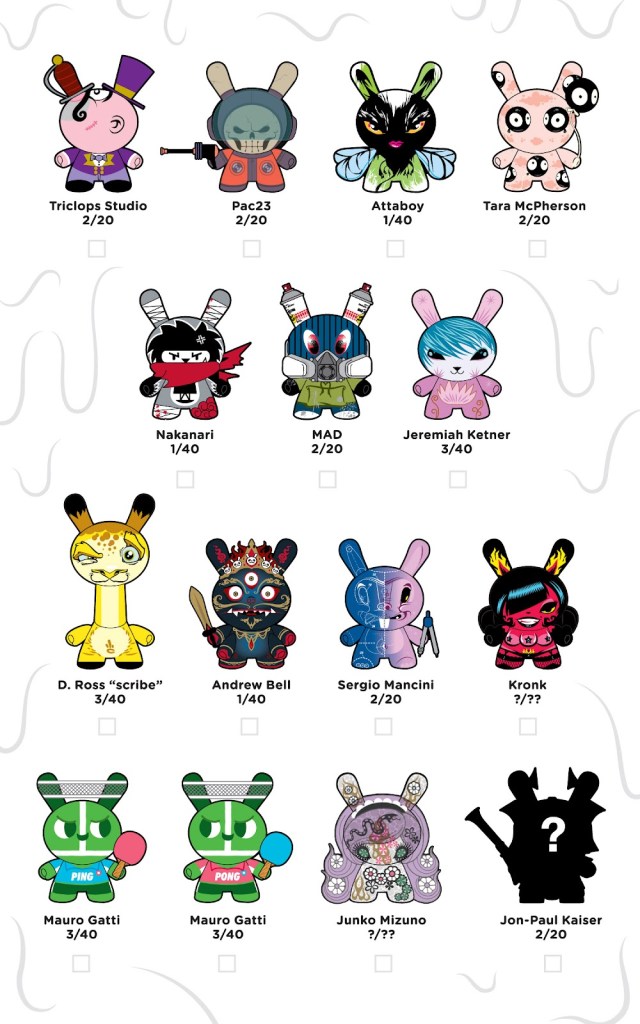
  • Product Assortment: While the outer case would have some indication of what characters to expect inside, not all of them can be expected to be contained within. Each toy character would have an odds ratio indicating its probability of occurrence within a set. Interestingly there are some characters called ‘chases’ with unknown odds called out as ‘?/??’, while a few are shown mysteriously only in silhouettes. Occasionally, they also include ‘super mystery figures’ that aren’t even indicated on the box, which tend to be some of the rarest ever made of the kind!

Kidrobot Official Dunny Series 2012 Checklist & Ratios(The odds ratios as printed on the cases of Dunny Series 2012, Source) 

  • Kidrobot’s approach to marketing is anything but ordinary: Read here a short interview with Paul Budnitz where he reveals how he has taken a marketing approach opposite to that of most companies.
  • How Kidrobot manages its creative capital: Kidrobot’s approach to distribution of decision making power within the company, its open source design strategy, and how it regularly commissions rock star designers rather than in house artists in order to let a sort of ‘fluidity’ permeate the entire company makes for a fascinating read.
  • Tie ups and Partnerships: Given the cult level popularity and the artistic appeal of Kidrobot’s limited edition toys, it naturally makes for a very coveted partner. For e.g., in Jan 2014 CES, Samsung Galaxy partnered with Kidrobot to land the message about the brand being a new touch point in artistic expression.

samsung_kidrobot_0235wtmk-1280x878(Samsung partners with Kidrobot in CES 2014, Pic source: Slash Gear)

And so it goes on – a fascinating story of how a bunch of unassuming tiny vinyl toys have grown to become icons of pop culture that regularly pull in rabid fans and ardent collectors, who neither mind queuing up for hours outside its stores nor forking out hundreds or even thousands of dollars to buy these designer toys while making its company a multi million dollar brand that it is today.

And when one reads this, sometimes all one can manage to say could be …

…while perhaps even wondering on a wishful note to oneself  damn! where can I get one myself!!”

(Featured Image: Set of Huck Gee’s Night & Day Raku 8” Dunny released in 2011.These were a limited edition of just 500 sets.source)

When Sub Cultures Influence Brands

Quick Read: There are several fascinating Sub Cultures and Urban Tribes around the world that could give us insights and compelling perspectives into consumer behaviour by way of their unique shared values and behaviours. In each such instance they exemplify how anthropology can influence advertising and vice versa. The Floggers in Argentina and The Sapeurs in Congo are two cases in point.

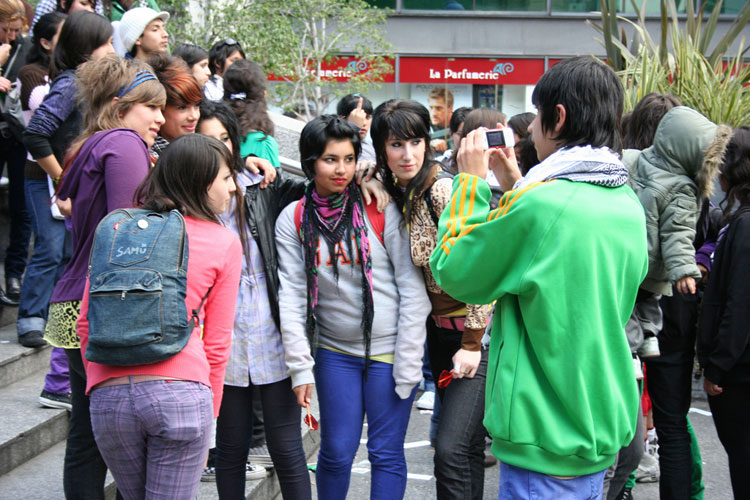
As a Youth sub culture, THE FLOGGERS originated in Argentina at the end of 2004 and have become popular through their unique fashion and went on to popularise the concept of picture sharing via photo blogs.

Essentially the floggers have two key characteristics:

  • They are dressed up in unique style: Floggers wear bright coloured unisex clothing – commonly tight trousers , V-neck T-shirts and canvas trainers and have dyed hair with long emo side fringes which cover their eyes and lip piercings. They have even developed a particular way of dancing to electro/techno music called Electro. 
  • They share their pics on Fotologs: Floggers take photos of themselves and friends and post them on photo blogs. Among FloggersFotolog.com is one such popular platform and lists more than 5.5 million users in Argentina, which is one of the two biggest markets for the site (Chile is the other). Here users comment on one another’s photos. The more comments, the more famous the flogger. (source)

floggers09(Flogging Frenzy, Source –  The Argentina Independent)

As a sub culture, if you come to think of it, the Floggers represent an interesting niche that are at the intersection of fashion, photography, social media, music and dance. Elite members of such a unique urban tribe naturally become trend setters in fashion and are the de facto voice of their generation cutting across class, creed and hierarchy.

Augustina Vivero a.ka. Cumbio is one such Flogger. She has a fotolog site that is said to be the most viewed Internet sites in Argentina logging 36 million visits in a single year alone! She is known to be the most popular and by many accounts the most influential flogger in the world and by age 17 has catapulted herself to stardom and unexpected affluence by transforming her Internet fame into marketing muscle –  signing modeling contracts, promoting dance clubs and writing a book about her life. (source)

Not surprisingly Nike enlisted her for a three month campaign including a giant sneaker-shaped slide that the floggers could slide down while posing for pictures.

cumbio(Agustina Vivero a.k.a Cumbio holding a NIKE poster featuring her, Source)

 Active members of sub cultures like the Floggers being ‘extreme users’, make for a rich minefield of emerging trends, attitudes, values and vibes of a whole generational cohort for the marketers. Thus they make for an interesting case study on how Anthropology influences Advertising (and arguably vice versa).

The Gentlemen of Bacongo

Take the Sapeurs – one of the world’s most exclusive fashion clubs in a city that you least expect – Congo.

SAPE – which loosely translates to The Society of The Elegant Persons of Congo – are a group of people whose life is not defined by occupation or wealth, but by respect, a moral code and an inspirational display of flair and creativity by way of their stylish dressing.

SAPE(Of Style and Swagger – The Sapeur. Picture by Daniele Tamagni. Also a cover page of his book)

In the words of Hector Mediavilla – who photographed the Sapeurs in his outstanding project, the SAPE can be considered to be the most interesting anthropological phenomenon for several reasonsDespite being surrounded by poverty and civil war the Sapeurs:

  • Dream on and survive the harsh reality.
  • Bring joy to those around them by way of their clothing and
  • Are required at funerals, parties and other celebrations to bring a touch of stylishness to these events.

Essentially, while everybody knows their elegance is just a façade but nevertheless, they perform an important social function for their fellow citizens. And in journalist Tom Downey’s words “when men dress as Sapeurs they become different people. Their gait, their gestures, and their manner of speaking are all transformed. The clothes are the gateway into a whole other way of being in the world.”

No wonder, the Sapeurs have inspired some fascinating photography projectsbooks and even music videos. More recently Guinness has brilliantly weaved the sartorial sub culture of the Sapeurs into their latest campaign, as part of which they enlisted Hector Mediavilla to shoot an inspiring documentary and a TVC.

Don’t miss this 5 mins documentary and the TV Spot.

Sapeurs Documentary

Guinness Sapeurs TV Ad, Agency AMV, BBDO London

For me, the connect between Guinness as a brand and Sapeurs as a spirit is a creative masterstroke truly befitting the flair and the flamboyance of ‘The SAPE Spirit’.

Do you know of any other marketing initiative that has sought to tap into a sub culture or an urban tribe

(Featured Image:  Sapeurs of Congo, Hector Mediavilla, Source.)
Video Games As Disruptive Innovation?

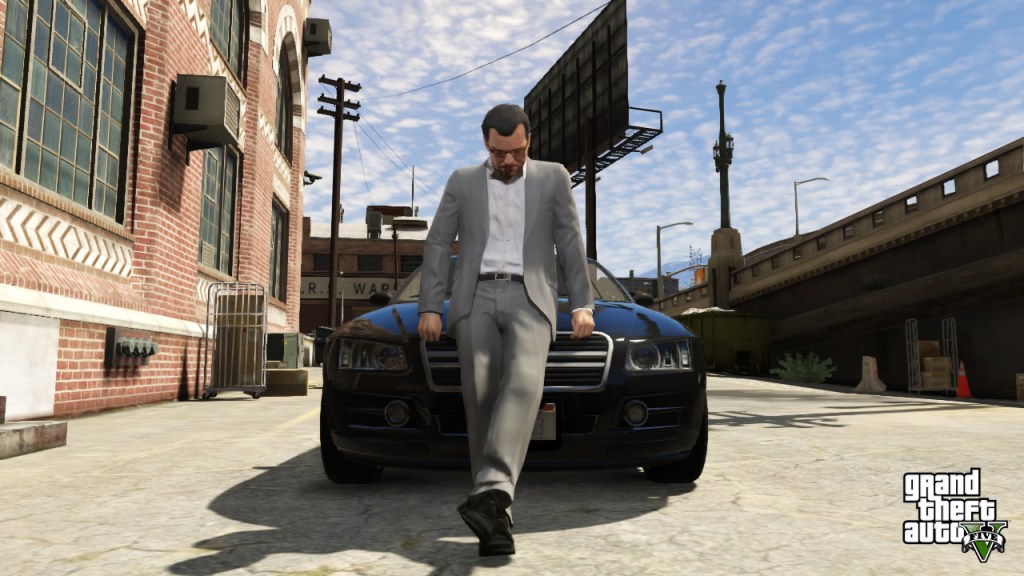
Quick Read: Today’s video games like Grand Theft Auto V, are more than just stunning life like gaming experiences. We could have some exciting possibilities here – where experiential & interactive branding can be embedded in games. And more interestingly, a world where video games can be virtual beta testing grounds for new product and UX design. These could be potential disruptive innovations for fields like Market Research and Product Design. 

Visit Los Santos & Blaine County – where plastic surgery, bad movies and big sharks rule the roost – see for yourself.

So says the landing page of Grand Theft Auto V – the super hit block buster action adventure video game that has been rated as the fastest selling entertainment product in world history.

It broke industry sales records by earning US $800 million in the first 24 hours of its release, and US $1 billion within its first three days.

gta-5-grand-theft-auto-99

One of the key features of the game is that it has an Open World game level design – i.e., a world where a player can roam freely through the fictional city of Los Santos and is given considerable freedom in choosing how or when to approach objectives. So as a character in the game you have the freedom to spend your time pursuing adventure sports, lounge about by the beach, go shopping, visit the local artisan, enjoy music and other such entertainment options.

Los Santos(The Landing Page of GTA-V that lists the possibilities and features of Los Santos city and Blaine County)

But Fernando Pereira Gomes – a street photographer by passion and a game enthusiast who went to the midnight launch of the game and played the night away, noticed something even more interesting.

He noticed that the characters in the game had phones with cameras at all times during the game play. This means the players can practically take pictures from within the game(!) and upload these. So with this new tool, and the huge world of Los Santos and its streets, he started experimenting with the camera and went on to take some truly stunning photographs that he has started to share on his blog. Ever since its launch, his blog and the pictures have been rapidly climbing up the popularity charts – thanks to the ingenuity of his idea and the beauty he captures from within the game’s landscape. See a demo video on how he does it here. Now that is Street Photography taken to a completely new level!

He goes on to say..

What I found was remarkable. The game is so realistic that it felt like being in the streets outside, running around for shots, anticipating passersby’s movements and reactions. In a way, it was also incredibly frightening that these algorithms could look so real, or is it that we ourselves are becoming ever more algorithmic?

StreetPhotoV(Los Santos Street Photo by Fernando Pereira Gomes sourced from his blog)

On first look this is fascinating for two reasons:

  1. For the GTA V’s rich media, content and the game design that enables such  interesting possibilities (makes a definitive commentary on the evolution of game design).
  2. And for the creativity and ingenuity of someone like Fernando Gomes who has ventured beyond the apparent possibilities in the game and went on to make a mark for himself.

On second look, and from a marketer’s and a product designer’s stand point, I thought there could be even more compelling possibilities dormant here waiting to be realised. Two things I could think of:

In Game Experiential Branding

In game branding is nothing new. But how about adding an experiential / interactive angle to this ‘in game branding’? More specifically, how about, say a brand like Samsung, tying up with the game franchise and embedding its full camera functionality in the game’s camera phone? Wouldn’t it be an interesting way to let the gamers – many of whom tend to be tech’s early adopters and thereby potential customers of “the latest phone out there” –  try out the phone’s exciting new features?

The opportunities of ‘customer involvement’ here could be limitless – almost life like with little risk involved while affording an almost first person experience of the phone and/or its camera to the user. The best part is the free marketing that these early adopters could do for the brand if and when they share these pics on their social network.

A Virtual Beta Testing Ground For The Upcoming Wearables  

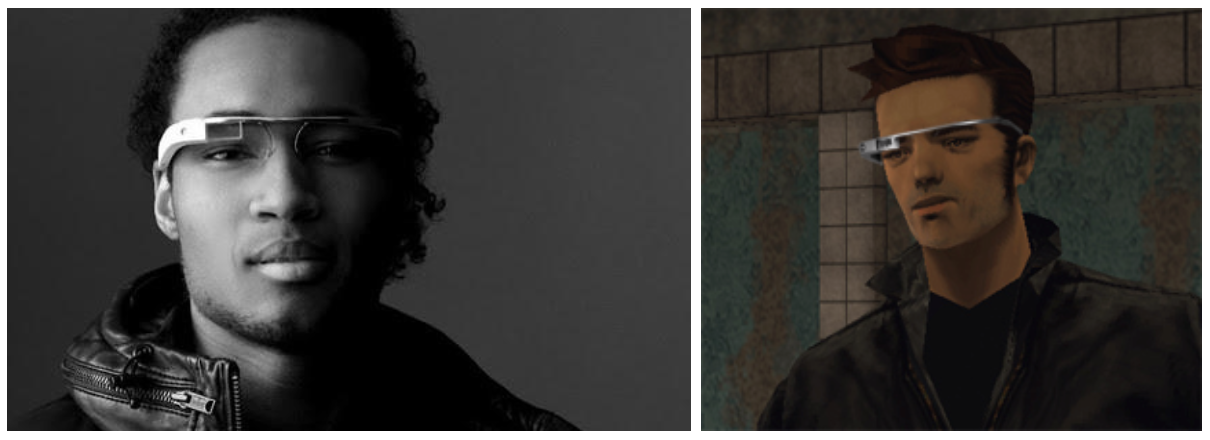
Let’s take Google Glass as an example  (one among the most awaited wearables in the market for 2014). As we speak now, it is in its Beta testing phase with some early adopters signing up to use, explore, develop and test new possibilities. In fact an Android developer Mike DiGiovanni looking to test the concept of using Glass as a second screen, has managed to capture Grand Theft Auto’s crucial in-game GPS interface, beaming it to the player’s Google Glass eyepiece in real time (source).

But how about embedding the functionality of  something like Google Glass within the game and let the players use it and explore its possibilities by themselves? I would guess something like this could give a treasure trove of real time feedback and insights to the product designers in order for them to refine its design and functionality.

Google Glass

Implications

Ben Hammersley  in his must read WIRED article on Wearables as the 3rd wave of computing, rightly says that when it comes to something like Google Glass, how our social progress plays out will be just as interesting as the technology itself. The social component of the implications would probably need to be tested and tried in real life, but the technology component and its possibilities can perhaps be tested in the game’s ‘reel’ life already today.

And may be when the game design becomes so smart to be able to reflect life like social dynamics – a not so unlikely prospect in the near future –  we might not even need the good old focus group or the hordes of beta testers!

Now, that could be a disruptive innovation for market research and product design!

Market research agencies and product designers of the world – hope you are investing in video games. No?

(Featured Image: Source, Fernando Pereira Gomes Street Photography on the streets of Los Santos within the game Grand Theft Auto V)

The Business of Belief

Quick Read: Every business that we know of can be said to be in the ‘business of belief’. While a majority of these business thrive on building and sustaining our beliefs, there are also ones that thrive on breaking down and challenging our beliefs. 

Arguably every business that we can think of can be said to be in the Business of Belief.

While most businesses that we see around can prove this point, RIEDEL glasses are a very straight forward example.

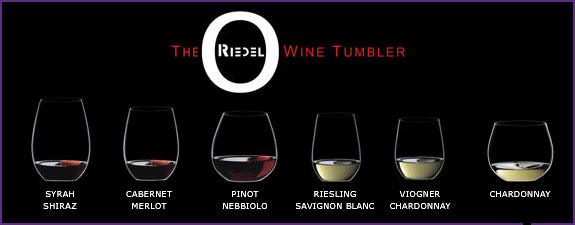
RIEDEL is an expensive line of glassware designed to deliver the wine’s ‘message’ via the carefully crafted form of the receptacle. In other words, Riedel has built a thriving business of glassware by driving a belief that the shape of their glasses can make wines test better!

Skeptical? The story goes that even experts and wine critics were – several of them skeptical of this seemingly implausible claim.

And yet today, hundreds of wine experts, and thousands of customers now swear it’s true. Taste tests throughout Europe and the U.S. were said to have proven time and again that wine — expensive or inexpensive — tasted better in Riedel glasses.

riedelo

Except it’s not true. At least not empirically. (source)

When subjected to double-blind testing that doesn’t let the taster know the shape of the glass, people found no detectable difference in taste between glasses. Objectively, the shape of the glass just doesn’t matter.

But subjectively, when belief in the story and the experience of the glass are added back in the mix, it matters. And the wine does taste better to these people. Today some Riedel glasses sell for more than 100 dollars each and people covet these over other lower priced glass ware!

Therefore, sensing a branding opportunity that is waiting to be leveraged, Coke has recently tied up with Riedel to come up with a glass that “is designed to enhance the drinking experience”. The Coke site goes on to explain..

Shaped by trial and error by a panel of industry experts and Coca-Cola lovers, this form captures the distinct spices, aroma, and taste of Coca-Cola and creates a magical sensorial experience… A unique glass for a taste like no other.

RIEDEL+Coke(Riedel + Coke, Source)

While this ‘glass act’ by Coke drew myriad views from the F&B industry, it nevertheless makes for an interesting commentary on Riedel as a company that has thrived by systematically building a business of belief.

Meanwhile elsewhere…

Interestingly there also exist businesses that build a following for precisely the opposite reason – by belying beliefs and tearing down expectations each single time they offer something to the consumer.

Take The Art of Dining – a business that sets up theme based pop up dining experiences – as an example.

As part of their model, Ellen Parr and Alice Hodge, put on theme-based pop up restaurants mostly in London. The venues – always unusual and unexpected – have so far included a 16th century mansion, an eel and pie shop, the Victorian Dalston Boys Club, and the army barracks on City Road while the themes range from wartime rationing to the Food of Love. The whole experience is like eating within an interactive art installation. Each of their dining event is thus an experience that belies conventional expectations and common beliefs on what is to come.

A Night With The Mistress(Themed as ‘A Night With The Mistress’, guests were required to put on a blind fold when they ate, Picture Source)

Their recent series called Say Cheese – the photography of Martin Parr in five courses, is the duo’s latest example on how they have cemented their expertise in their signature experiential model – Set up expectations, evoke the guests’ pre conditioned beliefs and pull the rug off their feet as they take the plunge. 

This is how it works:

  • You enter a typical English café setting: gingham table cloths, plastic flowers on the table, pictures of Lady Diana and Mrs Tatcher, copies of the Sun etc
  • The waiting staff are mostly English, wearing floral pinnies
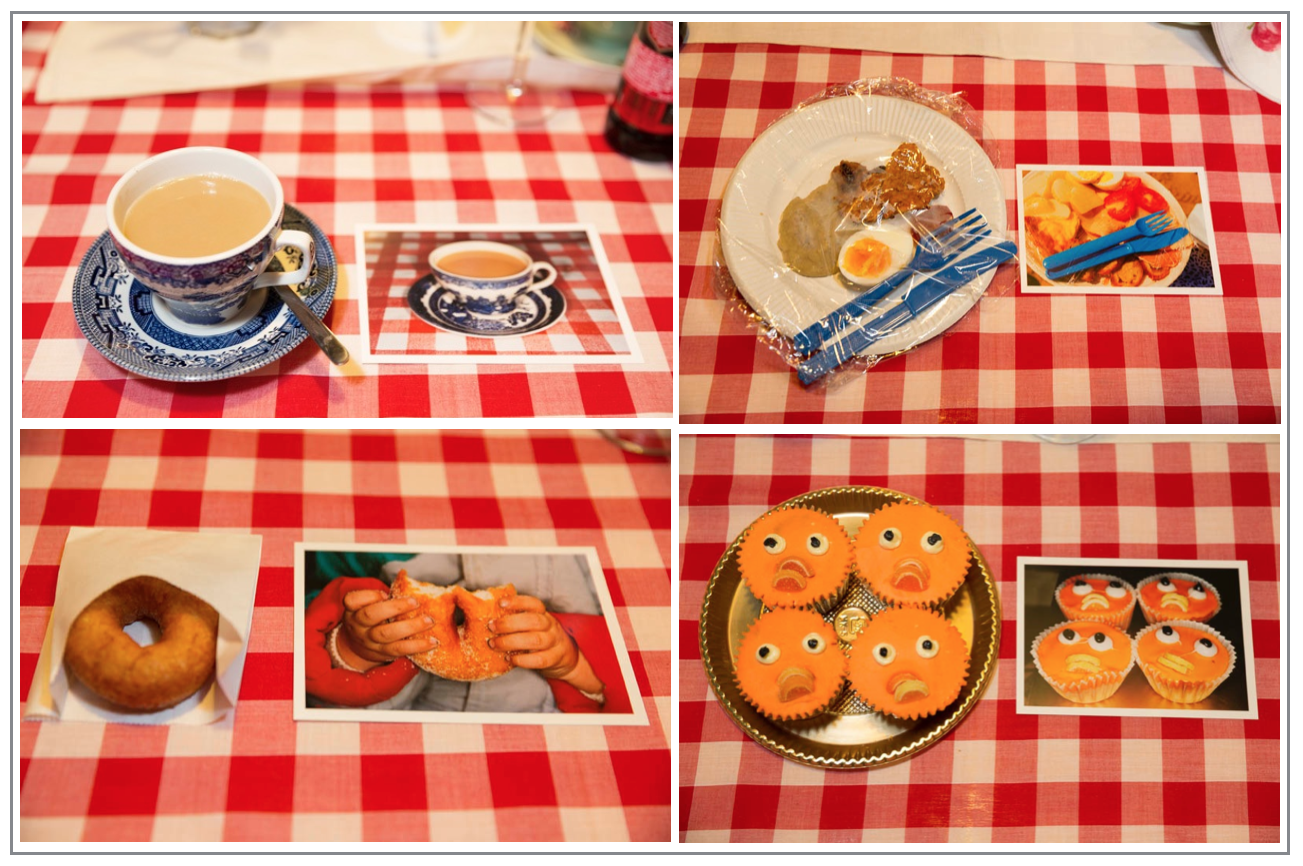
  • And this is where it starts to get interesting -You don’t get a conventional menu, but a set of 5 photos by Martin Parr – the legendary photographer
  • And here is the twist: the food looks just like the images but tastes completely unlike what you expect.
  • For eg. An English tea cup is filled with a tea coloured liquid, poured from a tea pot, which turns out to be a delicious Tom Yam Soup. A doughnut is actually a South Indian savoury, made from lentils and served with a coconut chutney. And it goes on

Martin Parr(Each of the five courses saw Martin Parr’s pictures come to life in bizarrely unexpected ways. Compilation of pictures from here)

See the short video here to get an idea on the actual execution

http://vimeo.com/69361520

Say Cheese! The World of Martin Parr in 5 Courses from GOLIGA on Vimeo.

This pop up experience was also offered in Tokyo in 2013 and as per Time Out Tokyo, the tickets costed  ¥12,000 per person, and were limited to 50 people per night. Food, it says, doesn’t get much more high-concept than this.

Now that’s a business that is actually built on belying beliefs!

(Featured Image, Of Wine Glasses and Beliefs. The Riedel Wine Glass Company Brochure, Source)