Selfies And The Art Of Sky Diving

Quick Read: Selfies as a mode of expression via pictures, videos or 3D shapes is gaining main stream traction. GoPro is a fascinating company that took an unmet ‘selfie need’ and expanded it to encompass newer grounds with great success, while gaining a cult like status.   

It is believed that Robert Cornelius took the first ever selfie in the year 1839. 

Ever since then, over the span of  175 years, the humble selfie has evidently made spectacular inroads into our popular culture. Today we see world leaders, hollywood celebrities, protesters in police vans and even the Pope having all smiles for the selfie. No wonder then, today we have:

In fact – given our recent advancements in 3D printing – it is inevitable that we even have the 3D printed selfie today!
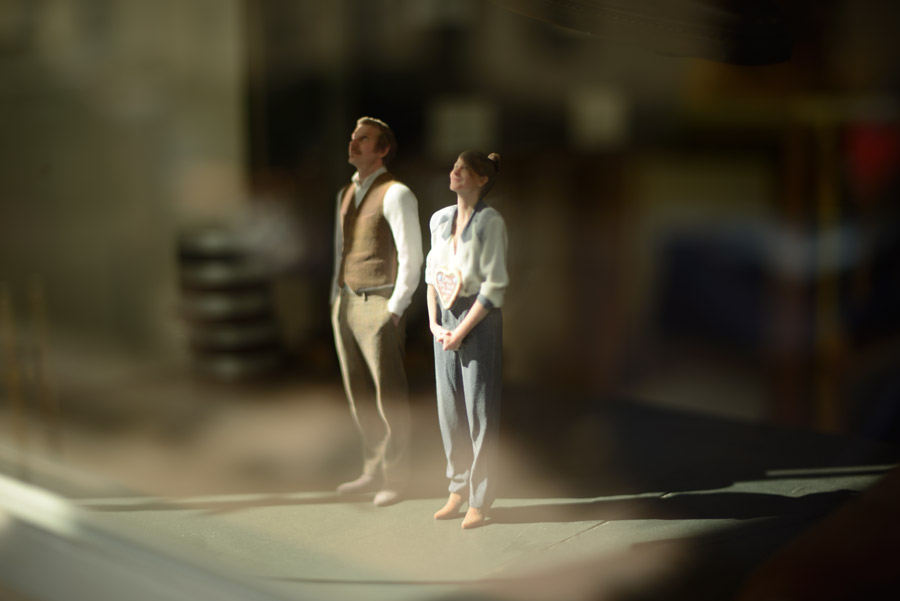
twinkind_window_5126(3D Selfies. Source, TWINKIND)

According to this paper, while selfies have been called different names like  a symptom of social media-driven narcissisma way to control others’ images of usa new way not only of representing ourselves to others, but of communicating with one another through images, or even as the masturbation of self-image, the one that stands out the most for me is the concept of selfie as a device to control others’ images of us. 

This primal urge to control others’ image of us seemed to have proven to be a gold mine for a company that is now on its way to a hotly anticipated IPO. Think Video Selfies. And think about all the exciting activities like surfing, skiing, snowboarding, auto racing, river rafting, sky diving etc. And you get the picture.

Hang on. Did we just say ‘Video Selfie’?

GoPro

2002. On a surfing trip to Australia, Nick Woodman wanted to take a selfie. Albeit with a twist. He wanted to capture quality action photos of his surfing. Having met with limited success, his desire for a camera that could capture him surfing in ‘professional angles’ started to take shape. And thus the name ‘GoPro’ was born for his company that would subsequently go on to sell small, waterproof, wearable cameras that you can use while doing exciting stuff.

GoPro-surfing-longboard-600x400(How to take kickass selfies with GoPro. Source)

Today GoPro makes what it calls ‘smaller, lighter, mightier still’ HD video cameras with a 170-degree angle view under their line up of HERO series to capture and produce high quality content along with an entire ecosystem of mounts, accessories, software and applications.

But what makes GoPro an extremely fascinating brand is the street cred that it earned for itself as an unconventional media company. Sample these..

The GoPro Ad: Instead of advertising, the company aggressively hands out GoPro cameras to extreme athletes asking them to simply shoot and bring back their footage. A small in house team then edits the footage, slaps a hip sound track, throws in the GoPro logo and boom – A stunning free GoPro Ad! (Interestingly – given the versatility of the GoPro camera – a lot of footage that they get from users is so astounding that people are known to insist it had to be fake.)

GoPro on YouTube: GoPro’s YouTube channel ranks among the top 100 with nearly 2 million subscribers and 455 million views of its 1600+ videos posted till date. In fact as per this article, the number of videos with “GoPro” in the title has grown so much—60 percent from 2012 to 2013—that watching 2013’s crop alone would take you 2.8 years. Reportedly GoPro is expected to make about $1.7 million per year from its YouTube channel alone.

The GoPro Channel: In CES 2014, GoPro announced plans to unleash its unique brand of action sport videos on Xbox Live for both the Xbox One and 360. In fact, Virgin America inflight entertainment system already lists this channel that features curated GoPro content where users will also be able to purchase GoPro products directly online.

Expanding cultural footprint of GoPro’s media content: GoPro has strategically carved an outsized cultural footprint for itself by being part of several high points in recent history. Take the recent opening ceremony of the Sochi Olympics, where many athletes were seen filming themselves with GoPros or Felix Baumgartner‘s record-breaking jump from 128,100 feet for the Red Bull Stratos mission. Chances are that you must have seen the footage filmed by one or more of the seven HD GoPro cameras used in the mission.

(GoPro Super Bowl Ad 2014 featuring the Red Bull Stratos mission)

GoPro, Apple and Red Bull: While some observers see GoPro as a company that clearly wants to create a kind of ecosystem, similar to that of Apple, with a devoted fan base addicted to its hardware and software and a thriving core of creators and consumers, there are also those that think, GoPro could make for a new sort of hybrid company, the way Red Bull is both a drink maker and powerful media brand.

Jason Stein, founder of Laundry Service, a digital media agency in New York even says:

“Red Bull has become this media entity, created around the lifestyle of people who drink Red Bull, GoPro is doing the same, but the reason I think they have more potential is that their product is an actual media device.”

Hence analysts expect that GoPro could create revolutionary possibilities in content creation and consumption in the days to come. This article even speaks about a future possibility where the company could sign agreements with sports leagues to place GoPros within the games. So when you tune into your NBA or NFL or IPL, imagine getting a live feed from whichever player you want!

Beyond Hardware

Evidently the GoPro story is no longer about a hardware maker that had captured two-thirds of U.S. sales and 45 percent of the global pie of the pocket digital camcorder segment (source).

It’s about software and experiences. It’s about enabling awesome creative expression and adrenaline packed content production – the non traditional way. It’s about brilliant marketing that is inspired by this unique culture. All borne out of one key human need – to be able to influence other’s image of us by showcasing those fleeting experiences and moments that (we think) could define us.

Like perhaps a selfie.

When Sub Cultures Influence Brands

Quick Read: There are several fascinating Sub Cultures and Urban Tribes around the world that could give us insights and compelling perspectives into consumer behaviour by way of their unique shared values and behaviours. In each such instance they exemplify how anthropology can influence advertising and vice versa. The Floggers in Argentina and The Sapeurs in Congo are two cases in point.

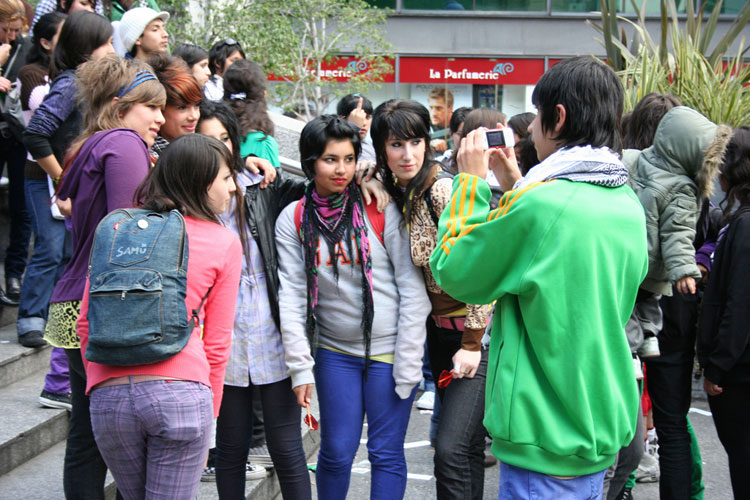
As a Youth sub culture, THE FLOGGERS originated in Argentina at the end of 2004 and have become popular through their unique fashion and went on to popularise the concept of picture sharing via photo blogs.

Essentially the floggers have two key characteristics:

  • They are dressed up in unique style: Floggers wear bright coloured unisex clothing – commonly tight trousers , V-neck T-shirts and canvas trainers and have dyed hair with long emo side fringes which cover their eyes and lip piercings. They have even developed a particular way of dancing to electro/techno music called Electro. 
  • They share their pics on Fotologs: Floggers take photos of themselves and friends and post them on photo blogs. Among FloggersFotolog.com is one such popular platform and lists more than 5.5 million users in Argentina, which is one of the two biggest markets for the site (Chile is the other). Here users comment on one another’s photos. The more comments, the more famous the flogger. (source)

floggers09(Flogging Frenzy, Source –  The Argentina Independent)

As a sub culture, if you come to think of it, the Floggers represent an interesting niche that are at the intersection of fashion, photography, social media, music and dance. Elite members of such a unique urban tribe naturally become trend setters in fashion and are the de facto voice of their generation cutting across class, creed and hierarchy.

Augustina Vivero a.ka. Cumbio is one such Flogger. She has a fotolog site that is said to be the most viewed Internet sites in Argentina logging 36 million visits in a single year alone! She is known to be the most popular and by many accounts the most influential flogger in the world and by age 17 has catapulted herself to stardom and unexpected affluence by transforming her Internet fame into marketing muscle –  signing modeling contracts, promoting dance clubs and writing a book about her life. (source)

Not surprisingly Nike enlisted her for a three month campaign including a giant sneaker-shaped slide that the floggers could slide down while posing for pictures.

cumbio(Agustina Vivero a.k.a Cumbio holding a NIKE poster featuring her, Source)

 Active members of sub cultures like the Floggers being ‘extreme users’, make for a rich minefield of emerging trends, attitudes, values and vibes of a whole generational cohort for the marketers. Thus they make for an interesting case study on how Anthropology influences Advertising (and arguably vice versa).

The Gentlemen of Bacongo

Take the Sapeurs – one of the world’s most exclusive fashion clubs in a city that you least expect – Congo.

SAPE – which loosely translates to The Society of The Elegant Persons of Congo – are a group of people whose life is not defined by occupation or wealth, but by respect, a moral code and an inspirational display of flair and creativity by way of their stylish dressing.

SAPE(Of Style and Swagger – The Sapeur. Picture by Daniele Tamagni. Also a cover page of his book)

In the words of Hector Mediavilla – who photographed the Sapeurs in his outstanding project, the SAPE can be considered to be the most interesting anthropological phenomenon for several reasonsDespite being surrounded by poverty and civil war the Sapeurs:

  • Dream on and survive the harsh reality.
  • Bring joy to those around them by way of their clothing and
  • Are required at funerals, parties and other celebrations to bring a touch of stylishness to these events.

Essentially, while everybody knows their elegance is just a façade but nevertheless, they perform an important social function for their fellow citizens. And in journalist Tom Downey’s words “when men dress as Sapeurs they become different people. Their gait, their gestures, and their manner of speaking are all transformed. The clothes are the gateway into a whole other way of being in the world.”

No wonder, the Sapeurs have inspired some fascinating photography projectsbooks and even music videos. More recently Guinness has brilliantly weaved the sartorial sub culture of the Sapeurs into their latest campaign, as part of which they enlisted Hector Mediavilla to shoot an inspiring documentary and a TVC.

Don’t miss this 5 mins documentary and the TV Spot.

Sapeurs Documentary

Guinness Sapeurs TV Ad, Agency AMV, BBDO London

For me, the connect between Guinness as a brand and Sapeurs as a spirit is a creative masterstroke truly befitting the flair and the flamboyance of ‘The SAPE Spirit’.

Do you know of any other marketing initiative that has sought to tap into a sub culture or an urban tribe

(Featured Image:  Sapeurs of Congo, Hector Mediavilla, Source.)

The Business of Belief

Quick Read: Every business that we know of can be said to be in the ‘business of belief’. While a majority of these business thrive on building and sustaining our beliefs, there are also ones that thrive on breaking down and challenging our beliefs. 

Arguably every business that we can think of can be said to be in the Business of Belief.

While most businesses that we see around can prove this point, RIEDEL glasses are a very straight forward example.

RIEDEL is an expensive line of glassware designed to deliver the wine’s ‘message’ via the carefully crafted form of the receptacle. In other words, Riedel has built a thriving business of glassware by driving a belief that the shape of their glasses can make wines test better!

Skeptical? The story goes that even experts and wine critics were – several of them skeptical of this seemingly implausible claim.

And yet today, hundreds of wine experts, and thousands of customers now swear it’s true. Taste tests throughout Europe and the U.S. were said to have proven time and again that wine — expensive or inexpensive — tasted better in Riedel glasses.

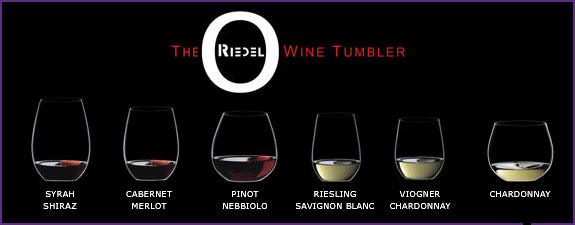
riedelo

Except it’s not true. At least not empirically. (source)

When subjected to double-blind testing that doesn’t let the taster know the shape of the glass, people found no detectable difference in taste between glasses. Objectively, the shape of the glass just doesn’t matter.

But subjectively, when belief in the story and the experience of the glass are added back in the mix, it matters. And the wine does taste better to these people. Today some Riedel glasses sell for more than 100 dollars each and people covet these over other lower priced glass ware!

Therefore, sensing a branding opportunity that is waiting to be leveraged, Coke has recently tied up with Riedel to come up with a glass that “is designed to enhance the drinking experience”. The Coke site goes on to explain..

Shaped by trial and error by a panel of industry experts and Coca-Cola lovers, this form captures the distinct spices, aroma, and taste of Coca-Cola and creates a magical sensorial experience… A unique glass for a taste like no other.

RIEDEL+Coke(Riedel + Coke, Source)

While this ‘glass act’ by Coke drew myriad views from the F&B industry, it nevertheless makes for an interesting commentary on Riedel as a company that has thrived by systematically building a business of belief.

Meanwhile elsewhere…

Interestingly there also exist businesses that build a following for precisely the opposite reason – by belying beliefs and tearing down expectations each single time they offer something to the consumer.

Take The Art of Dining – a business that sets up theme based pop up dining experiences – as an example.

As part of their model, Ellen Parr and Alice Hodge, put on theme-based pop up restaurants mostly in London. The venues – always unusual and unexpected – have so far included a 16th century mansion, an eel and pie shop, the Victorian Dalston Boys Club, and the army barracks on City Road while the themes range from wartime rationing to the Food of Love. The whole experience is like eating within an interactive art installation. Each of their dining event is thus an experience that belies conventional expectations and common beliefs on what is to come.

A Night With The Mistress(Themed as ‘A Night With The Mistress’, guests were required to put on a blind fold when they ate, Picture Source)

Their recent series called Say Cheese – the photography of Martin Parr in five courses, is the duo’s latest example on how they have cemented their expertise in their signature experiential model – Set up expectations, evoke the guests’ pre conditioned beliefs and pull the rug off their feet as they take the plunge. 

This is how it works:

  • You enter a typical English café setting: gingham table cloths, plastic flowers on the table, pictures of Lady Diana and Mrs Tatcher, copies of the Sun etc
  • The waiting staff are mostly English, wearing floral pinnies
  • And this is where it starts to get interesting -You don’t get a conventional menu, but a set of 5 photos by Martin Parr – the legendary photographer
  • And here is the twist: the food looks just like the images but tastes completely unlike what you expect.
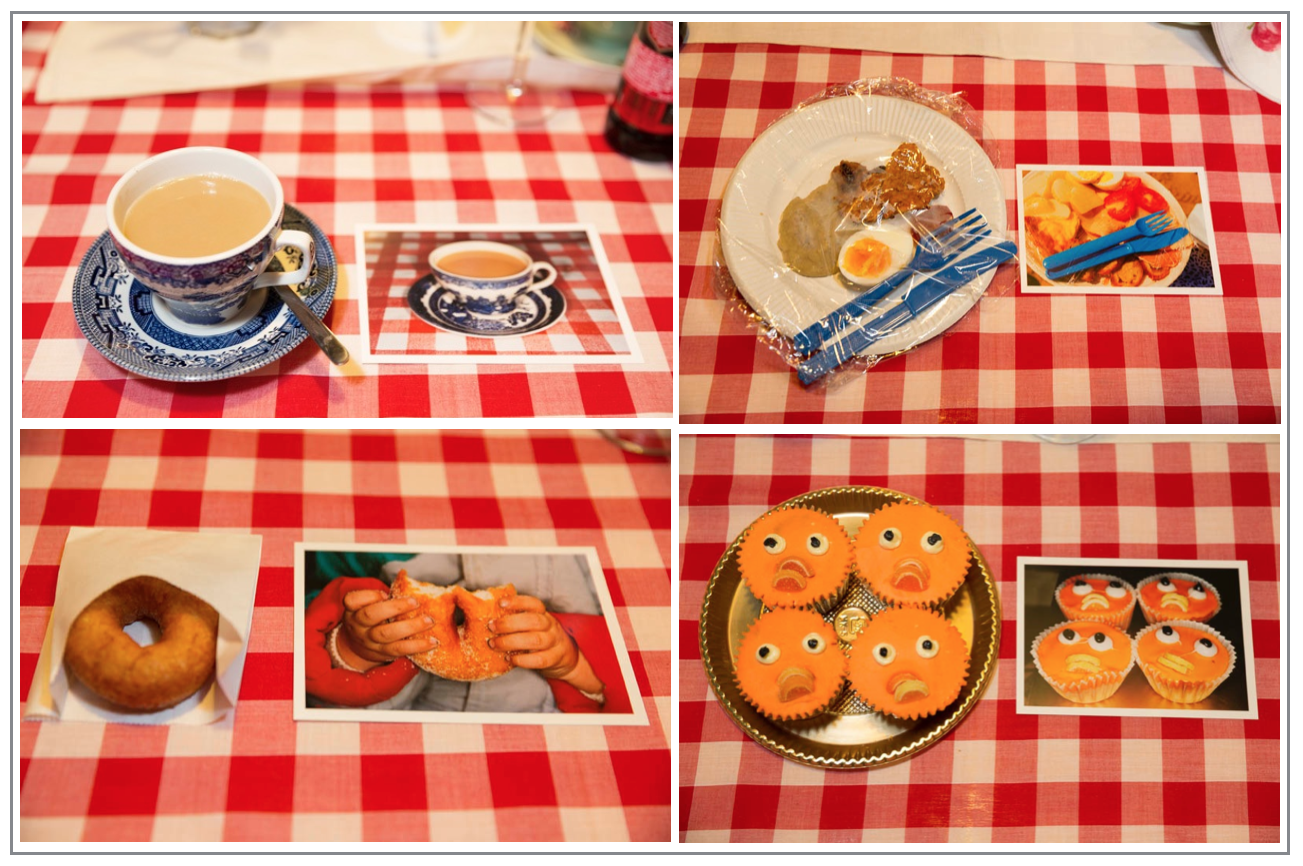
  • For eg. An English tea cup is filled with a tea coloured liquid, poured from a tea pot, which turns out to be a delicious Tom Yam Soup. A doughnut is actually a South Indian savoury, made from lentils and served with a coconut chutney. And it goes on

Martin Parr(Each of the five courses saw Martin Parr’s pictures come to life in bizarrely unexpected ways. Compilation of pictures from here)

See the short video here to get an idea on the actual execution

http://vimeo.com/69361520

Say Cheese! The World of Martin Parr in 5 Courses from GOLIGA on Vimeo.

This pop up experience was also offered in Tokyo in 2013 and as per Time Out Tokyo, the tickets costed  ¥12,000 per person, and were limited to 50 people per night. Food, it says, doesn’t get much more high-concept than this.

Now that’s a business that is actually built on belying beliefs!

(Featured Image, Of Wine Glasses and Beliefs. The Riedel Wine Glass Company Brochure, Source)

Remarkable And What Lies Beyond

When you look at a photograph, read a novel or eat at a good restaurant what do you expect?

A good capture of a single moment in time, a nice story and a decent meal. Right?

What if these expectations are messed up and you need to discover for yourself a whole new experience in consuming these products/services? Let’s start with Stephen Wilkes.

The Photograph

Each photographer tends to have an area of interest. i.e., a fascination of architecture or people or nature etc. But what if as a photographer, you are fascinated by architecture and people and cities and also nurture a love of ‘shooting history’? Stephen Wilkes is one such guy and has a way of going about it.

  • He starts at a vantage point that can afford a panoramic view of the location of an iconic land mark
  • Then he shoots what he calls the ‘naked plate’ – a shot of the land mark with absolutely no one in it – in other words  a completely deserted landscape of the location
  • Then over a span of over 12 to 15 hours from dawn to dusk in a day, he takes nearly 1,500 pictures of the same location from the same angle, while also taking mental notes of the shifting landscape and the random events unfolding below him
  • After this action at the location, he then selects about 50 final shots from which to over lay the final composite picture that seamlessly merges the action that had unfolded between dawn and dusk at that single place in a single shot!

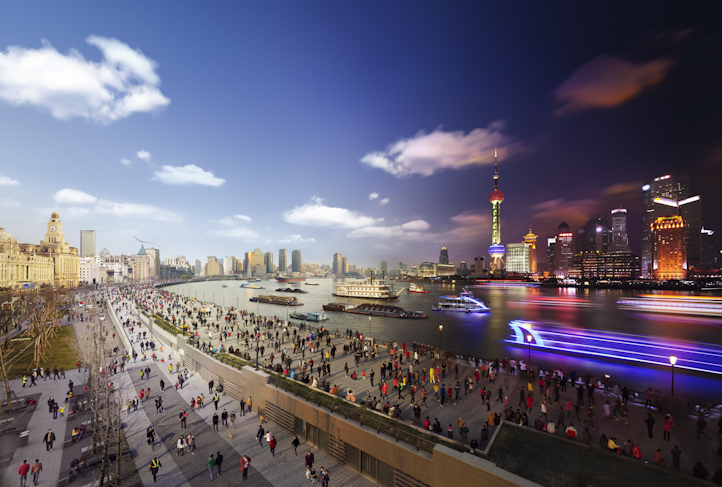
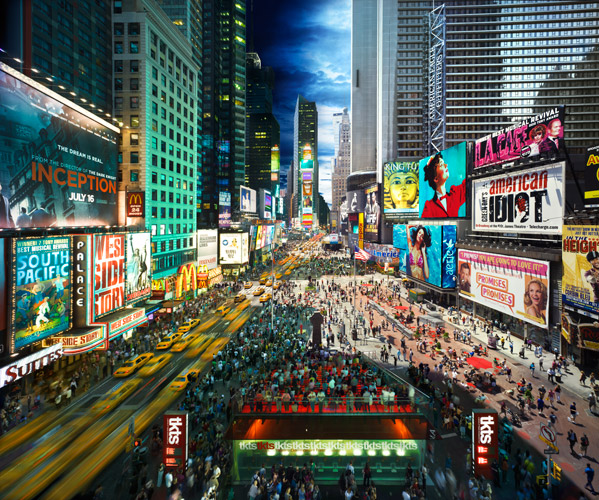
Result – pictures of a place that are panoramas in ‘Day to Night’ that can throw your brain off the hook. Each picture in this series can look like a magical landscape suspended along a tapestry of time. Don’t believe me? Then let his pictures from his newest body of work titled ‘Day to Night‘ do the talking.

Shanghai

(Stephen Wilkes, Source, Shanghai, Bund)

Times Square

(Stephen Wilkes, Source, Times Square)

The November 25 Edition of TIME features a photo essay based on Stephen’s work. As the article puts it,

A lot can happen between sunrise and sunset especially when Stephen Wilkes is photographing it. 

The Novel

OK, so this is going to be difficult. For how do I write about a book that redefines the very experience of a book?

S. – a novel by JJ Abrams and Doug Dorst, released on Oct 29th 2013 is a first of its kind experiment in book design, layout, narratives and structure. It is a book that stands out because of its unprecedented ambition, creativity and inventiveness.

For the first time you might actually feel a need for a ‘guide’ on how to read a novel! There are three enmeshing story lines in S. :

  • First you have the story in this book by name “Ship Of Theseus”
  • Second you have the mystery about the fictional author of this book by name V.M. Straka
  • And third you have the dialogue between the two readers of this book by name Jennifer and Eric, who communicate to each other via hand written notes along the margins and inserts

Designed by the New York-based design firm Melcher Media, this is a book that can easily be an inspiration for a generation of designers, writers, novelists, publishers and marketers to come for years! Read this FastCompany article for more details.

As the article says..

It’s difficult to decide exactly how to start reading S.–a sort of 3D Infinite Jest with a pop sensibility–and nearly impossible to imagine how it ever got written.

See this video to get a feel of what is inside the book

Trying to explain this book is like trying to explain the plot of ‘Inception‘ and raving about the genius of its concept. The only way to appreciate the ingenuity of this art form is to get a book and start reading. I – for one – cannot wait to begin my magical adventure with S. and discover a whole new experience of consuming a novel!

The Restaurant

Earlier this month, DiverXo has become just the eighth Spanish restaurant to win an unbeatable third Michelin star. With an unassuming kitchen that measures just 30 square meters, it is the only establishment in the Spanish capital to hold the honour. But that’s not the big deal.

The big deal is how DiverXo – led by the Spanish chef David Munoz – turns every single convention on its head as a restaurant.

  • For starters, upon entering, every diner is given a one page manifesto on how to best enjoy the food in the restaurant. All they need is to surrender every preconceived notion and suspend judgement and just do as they are told
  • Once seated, DiverXo offers a choice between a ‘short menu’ (7 dishes,  €95, lasting 2.5 hrs) and a ‘long menu’ (11 dishes,  €140, lasting 4 hrs).  Both menus are exquisitely choreographed as unprecedented gastronomic experiences by the chefs
  • For e.g., as per TripAdvisor,when a dish arrives on the table prepare to be instructed to eat with even a spatula!
  • And as per this AFP article, no sooner do you dig into say – a raw cod fillet drizzled with boiling olive oil and accompanied by potato skins and pickled chilies, don’t be shocked if a cook bursts in to you and lays on hot mayonnaise
  • Later, as you chew more another chef could arrive with a cream of cod and sea urchin

And the shocks and surprises continue.

rp-diverxo-1

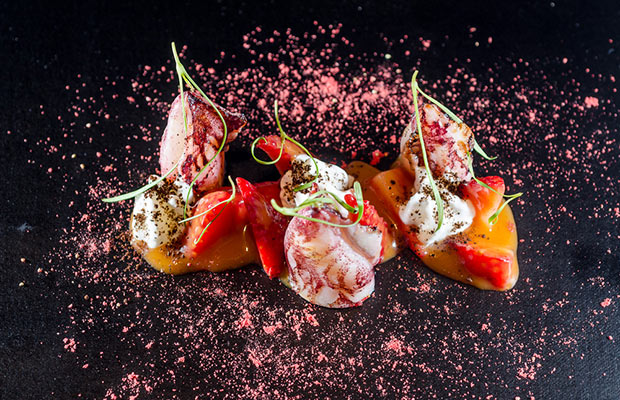
(DiverXo, Artful dishes that push the limits of fusion cuisine, Source)

Besides, as per this AFP article ..

  • Even the design of the food can tend to defy expectation. For e.g., a fiendish ketchup of chili and tabasco makes the dish of duck dumplings and fried ducks’ tongues resemble a blood-splattered murder scene
  • The menu lists not ingredients but rather sensations: sweet, sour and, in the case of one star dish, the “Hannibal Lecter”, sharp

As the article says..

The self-proclaimed “brutal” approach of this tiny eatery, where the cooks rush to add ingredients to diners’ plates mid-bite, has made it one of the most unusual restaurants ever to join the world’s gastronomic elite.

In summary DiverXo is a first of its kind restaurant where the rules are simple: Come with an open mind, trust the chefs, expect to be shocked and prepare to be surprised as you embark on a culinary adventure like never before.

May be food is almost besides the point here. Or may be it’s all about the magically shocking experience of what a restaurant has never been yet!   

All about experiences that redefine the product, category and consumer expectations

So the next time when we think of ‘elevating consumer experience’, it could be worthwhile to remind ourselves of these extra ordinary examples that go beyond this ‘elevating the experience’ mould. Three brave, ingenious and creative examples where the very experience of the product has been redefined, our expectations as consumers defied and all norms of the category disbanded.

So now you know. What lies beyond remarkable?

Magic –  after all –  could indeed be serious business!

On Looking Back To The Future

Have you ever thought about looking back to the future?

This is not about the acclaimed 1985 Academy Award winning American Science Fiction Comedy directed by Robert Zemeckis and produced by Steven Spielberg – which by the way is a must see.  The question is whether you have ever thought about the notion of ‘looking into the future’ as akin to that of looking back.

Let’s talk about the Aymaras

Apparently this tribe of indigenous people in South America called the Aymara have an unusual way of referring to the future – when they talk about the past, they point to the space in front of them and when they talk about the future, they point behind them. Wonder why?

As Austin Kleon succinctly puts it …

The reason they point ahead of them when talking about the past is because the past is known to them — the past has happened, therefore it’s in front of them, where they can see it.The future, on the other hand, is unknown, it hasn’t happened yet, so it’s behind them, where they can’t see it.

A very thought provoking concept if one begins to think about it.

After embarking upon a mini thought + search experiment, I have come to appreciate that looking back to the future can be more than just a conceptual metaphor of the Aymara’s. My three riffs on this concept:

1. First a relatively straight forward one –  in a very practical sense, the notion of looking back into the future can be said to be closely related to the concept of Retro Innovation. Think about it. Isn’t it? More about it here.

2. We have heard about Chris Anderson‘s concept of The Long Tail. Of comparable significance is Bill Buxton‘s concept of The Long Nose of Innovation – a must read for anyone fascinated by the world of Innovation and Design. Flip through the following slide deck to get a gist of what he meant by this in just under 50 – 60s.

He makes a strong case that – any technology that is going to have significant impact over the next 10 years is already at least 10 years old. And thereby says The Future Is History and goes to conclude with the advice –  “Use history to evaluate new concepts and ideas instead of only gut feel”.
So may be next time we ideate within a category/segment for innovation ideas, it might be worthwhile to look for trends that go back to nearly 10 years from now for a change.

3. Lastly, in many ways the concept of looking back to the future could also be related to the idea of photography as time travel.

Irina Werning was a virtually unknown photographer till she embarked on a project called Back To The Future in 2010 (and subsequently in 2011) and the rest as they say is history, with her photographs going hugely viral – even becoming Internet Memes and her project becoming a big sensation. Read more about Irina’s obsession as a photographer to take her subjects back and forth in time through her unique project here. Enjoy the behind the scenes video of the project here.

I find the idea of looking back to the future hugely fascinating and as Austin Kleon says, the Aymara’s way of referring to the future continues to blow my mind no matter how long I think about it.

And you thought History and Innovation make strange bedfellows?

Blood In The Gutter – On Smart Narratives

Cleverly disguised as an easy to read comic book, Understanding Comics is a masterpiece from Scott McCloud on what makes comics as a medium – tik. Called as “…one of the most insightful books about designing graphic user interfaces ever written..” by Andy Hertzfeld, the co-creator of the Mac, Understanding Comics bares fascinating insights on time, space, art and the cosmos. A must read for anyone with a curious mind and a willingness to have some fun along the way. Go get yourself a copy if you haven’t yet and it might as well turn out to the best gift you’d have given yourself in a long time.

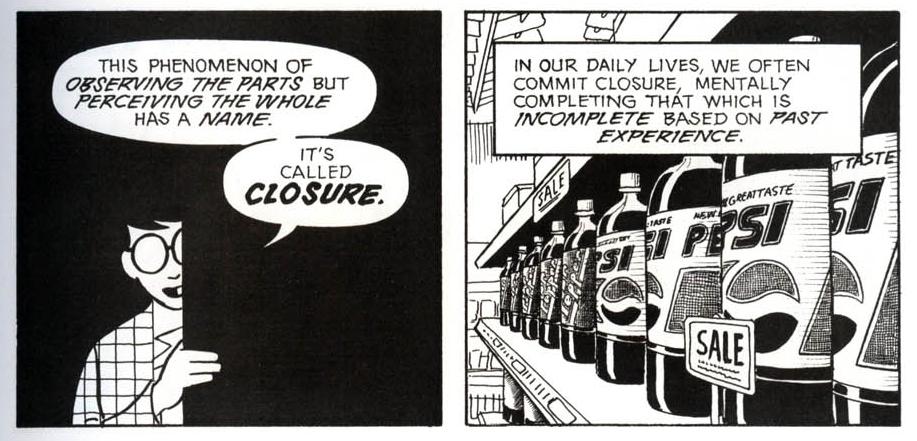
Blood In The Gutter is the name of my favorite chapter from the book where Scott explains what constitutes the magic and the mystery of comics through a concept called ‘Closure’. Following are some panels from the chapter that explain this concept in lucid detail:

Blog UC 1

Blog UC 2

Blog UC 3

(Scott McCloud (1993), “Understanding Comics”, p. 66, 68, 63)

It is closure that makes Comics an immersive medium that they are. For e.g., unlike in say radio and film, the audience for comics are compelled to participate more because they are required to perceive the gaps between panels and fill in the missing content themselves. No wonder then, artists from different media (Literature, Photography, Film etc) have experimented and adopted the techniques of ‘closure’ as a compelling narrative style in their own works. Three examples where this technique of closure has been adopted in 3 different media: literature, photography and film below:

Closure in Literature: One Day

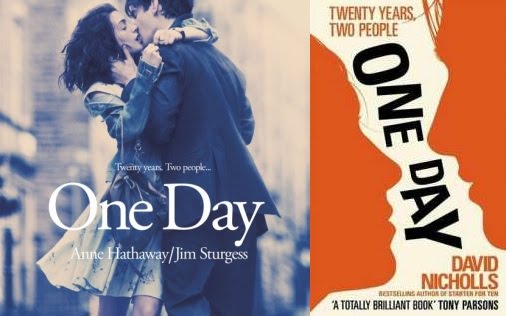
One Day is a novel by David Nicholls published in 2009. While it is essentially a ‘When Harry Met Sally‘ kind of genre, the unique feature of the book is its narrative. Each chapter covers the lives of the protagonists on exactly the same day (15 July) every year for twenty years.

One Day Movie_book

This literary technique of ‘closure’ as adopted by David Nicholls in One Day had its expected results with the book being praised as a ‘persuasive’, ‘ fast’, ‘absorbing’ and ‘smart’ and went on to be named 2010 Galaxy Book of the Year. Nicholls adapted his book into a screenplay; the feature film, also titled One Day, was released in August 2011. 

As with comics, closure –  when executed well in any media – facilitates smooth and seamless transitions in time and space and establishes a tightly symbiotic relationship between the reader’s imagination and the narrative.

Closure in Photography: The Whale Hunt

The Whale Hunt is a story telling experiment by Jonathan Harris who spent nine days living with a family of Inupiat Eskimos in Barrow, Alaska, the northernmost settlement in the United States. He documented their traditional whale hunt with a plodding sequence of 3,214 photographs, taken at five-minute intervals for seven days, and at even higher frequencies in moments of high adrenaline.  He then developed a framework for experiencing this story, allowing the viewer to rearrange the photographic elements of the story to extract multiple sub-stories focused around different people, places, topics, and other variables. (Source)

Go to the WhaleHunt page and experience the story unfold along different dimensions and see the cadence of closure engage your curiosity, senses and imagination.

The Whale Hunt

Closure in Film: I Love Your Work

Using a similar narrative style as used in The Whale Hunt, Harris now steps into a bold new territory by holding the spotlight on the world of lesbian porn.

Called as I Love Your Work, the project in Harris’ words “is an interactive documentary about the realities of those who make fantasies.It is a raw and intimate portrait of the everyday lives of nine young women who make lesbian porn.It consists of 2,202 10-second video clips, taken at five-minute intervals over 10 consecutive days.There is an interactive environment for exploring this material (around six hours of footage).”

What’s revealed through this tapestry of video clips separated by 5 min time intervals is an intimate portrait of a community opening up about topics like sex, gender politics, and their daily grind in a way that’s downright real and some times hard hitting.

I Love Your Work

Read this Fast Company article for a more detailed account of the project.

This powerful concept of closure (as it pans out in comics or in experiments like the ones shown above) seems to suggest one thing for certain. In order to engage, captivate and involve our minds and senses, the narrative of a story need not be continuous or seamless.

In fact what could work better in capturing and sustaining our attention spans can just be fragments of the story that are disjointed enough to let our imagination do the ‘connecting-the-dots’ drill and joint enough to let us feel that we are smart indeed!

Speak about the power of ‘smart narratives’.

Our perception of ‘reality’ is an act of faith, based on mere fragments.

Scott McCloud, Understanding Comics (1993)

From Feeling Beauty to Capturing ‘Living Pictures’

I had always thought to myself sitting in a theater as the lights slowly fade out making way for the picture on the screen to come alive – “this is just brilliant!” I never knew why, but somehow I liked the idea of the lights slowly and pleasantly fading out, rather than getting switched off/on abruptly. This was and obviously still is being used in most cinemas around the world. Why am I writing about this here?

Because of Richard Seymour. The co-founder of Seymourpowell – A ‘global design & innovation company’.

I chanced upon his TED talk here and was reminded of this incredibly subtle and  pleasurable sensation of ‘warmth’, a feeling of ‘wow’ whenever I see the lights getting off slowly. And that’s exactly what he starts his TED talk with: BMW car designed in such a way that whenever the door is closed, as opposed to the lights getting on/off abruptly, it takes exactly 6 secs for the lights to get off…slowly. Exactly 6 seconds. Each time. And he goes about to deconstruct the fundamental set of feelings/responses it evokes and makes his main point. He brilliantly sums it all when he finally says ‘Form IS function’ and that, a new lens with which design has to be viewed is asking if a design is ‘emotionally functional’. This video along with these 2 key takeouts were incredibly insightful to me and set me thinking about so many brilliant things that we see, experience, feel, smell, taste etc that strike ‘that’ chord of rapport with us instantly and evoke responses and reactions that could sometimes be difficult to rationalise or codify.

On the same tangent, I discovered that there is a fast developing, parallel school of thought evolving in the world of design, something that taps into frontiers of neuroscience, behavioral economics, cognitive psychology and anthropology, neuro-marketing and neuro-linguistic programing. This is called as ‘Persuasive Design’. Though the concept of ‘emotionally functional’ design and ‘persuasive design’ can sometimes mean different things and can potentially go about serving different purposes, for me, it is clear that they all speak about very similar things: Of design speaking to our sub-conscious and making ‘that’ impact, evoking ‘that’ response/reaction in just micro seconds long before we even ask ourselves ‘why’.

A very recent example of a refreshing design is Lytro – a camera that introduces a paradigm shift in the way we look at photography.

Even for a moment, if we were to forget the fact that this magical camera enables re-focusing of photos after they have been shot, at a fundamental level, the very shape and design of this piece of optical machinery seems suddenly so commonsensical, so inuitive, and somehow evokes a ‘this-is-how-a-camera-is-supposed-to-be’ kind of response. While there is no doubt about the sheer brilliance and mastery of optics that must have gone into the conceptualisation and development of this game changing technology of ‘light field optics’, I am sure that the work that must have gone into the design/form of this piece of ‘optical magical cuboid’ could nothing be short of genius. A persuasive design example? I bet it is. Is it an example where ‘form Is the function’? I bet it is. Is it emotionally functional? Hell it is!

As cliched an example as it has become over time, Apple usually score high on these design ethos. Hence it is so refreshing to see, for a change, a horse from a different stable all set to rock the derby in the race to engage, delight and win over consumers. And perhaps also redefine an entire market on its way?